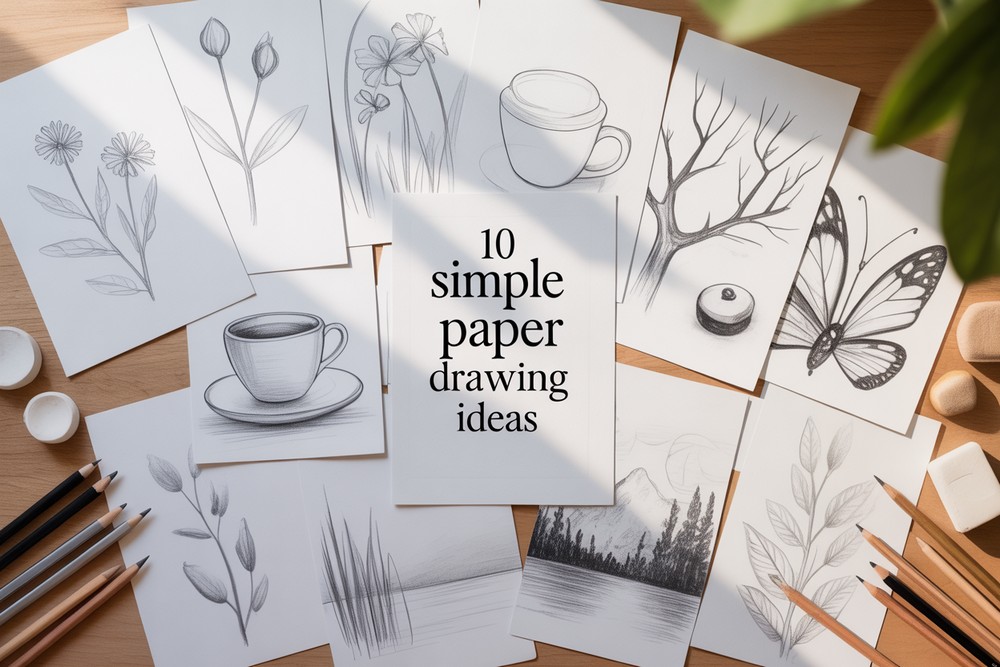
10 Paper Drawing ideas
Paper drawing is a playground for simple tools and big imagination. With a single sheet and a pencil, you can explore texture, light, illusion, and storytelling—no fancy gear needed. These paper drawing ideas are built to spark quick wins and deeper practice, whether you’re warming up, teaching a class, or chasing a new style. Each idea keeps materials minimal and the payoff high. You’ll find prompts that use edges, folds, stains, and patterns to unlock fresh results on paper—fast, fun, and surprisingly polished.
Add Quick List
- Negative Space Silhouette Studies
- Fold-and-Reveal Paper Flip Illusions
- Coffee-Stain Creature Sketches
- One-Continuous-Line Portraits
- Geometric Tessellation Grids
- Leaf and Texture Rubbings Remix
- Graphite to Ink-Wash Contrast
- Optical-Illusion Cube Fields
- Mini-Comic Story Thumbnails
- Zentangle Tile Mosaics
Negative Space Silhouette Studies
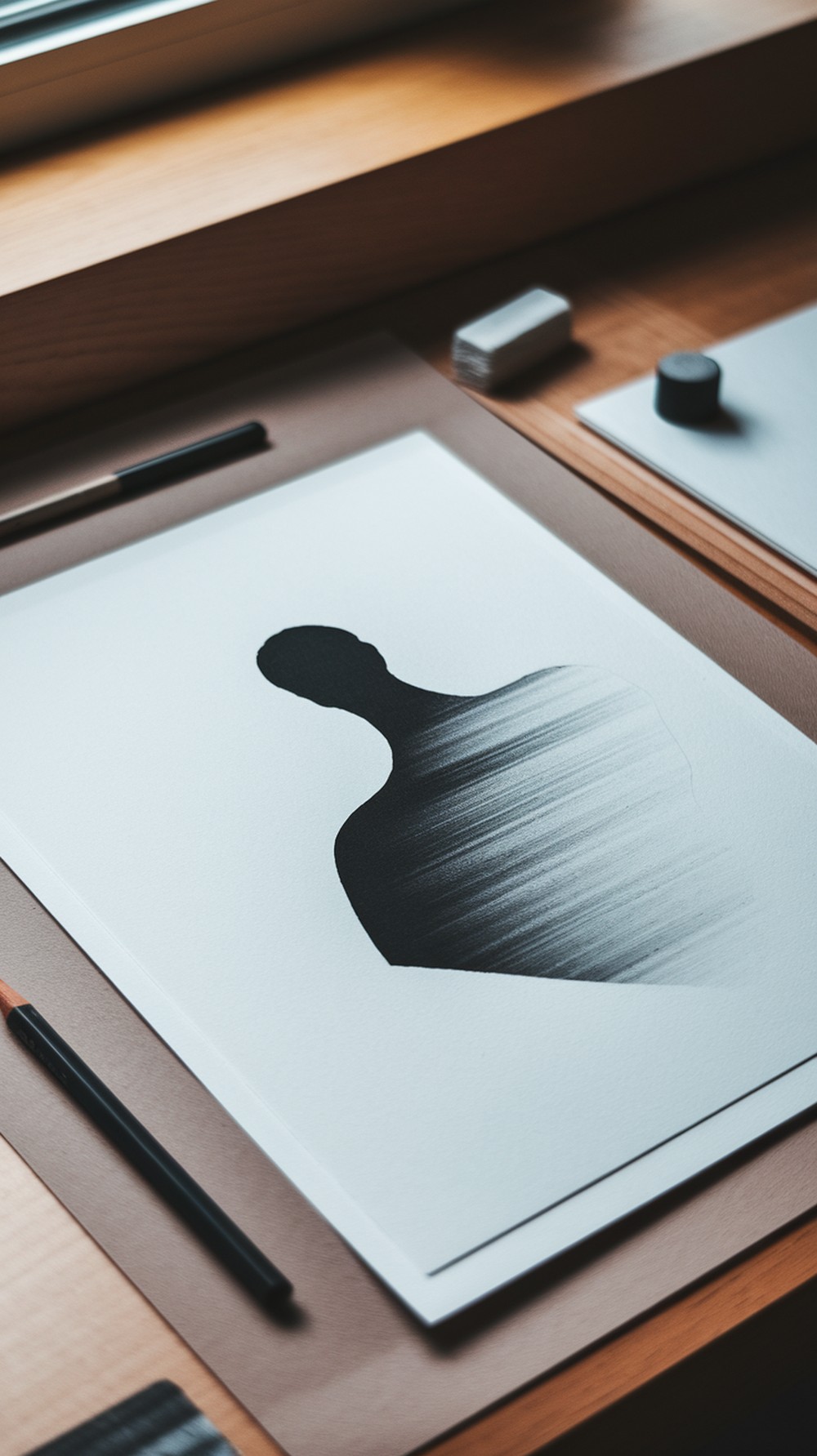
Use negative space to shape subjects without outlining them directly. Fill the background with smooth graphite, charcoal, or soft pencil shading, then erase or mask the subject so it appears as a crisp white cutout. This trains your eye to see shapes and edges, not symbols. Start with bold forms like plants, hands, mugs, or scissors. Try varying pressure, smudging with tissue, and carving sharp edges with a kneaded eraser. The result feels graphic, modern, and instantly frame-worthy.
Fold-and-Reveal Paper Flip Illusions
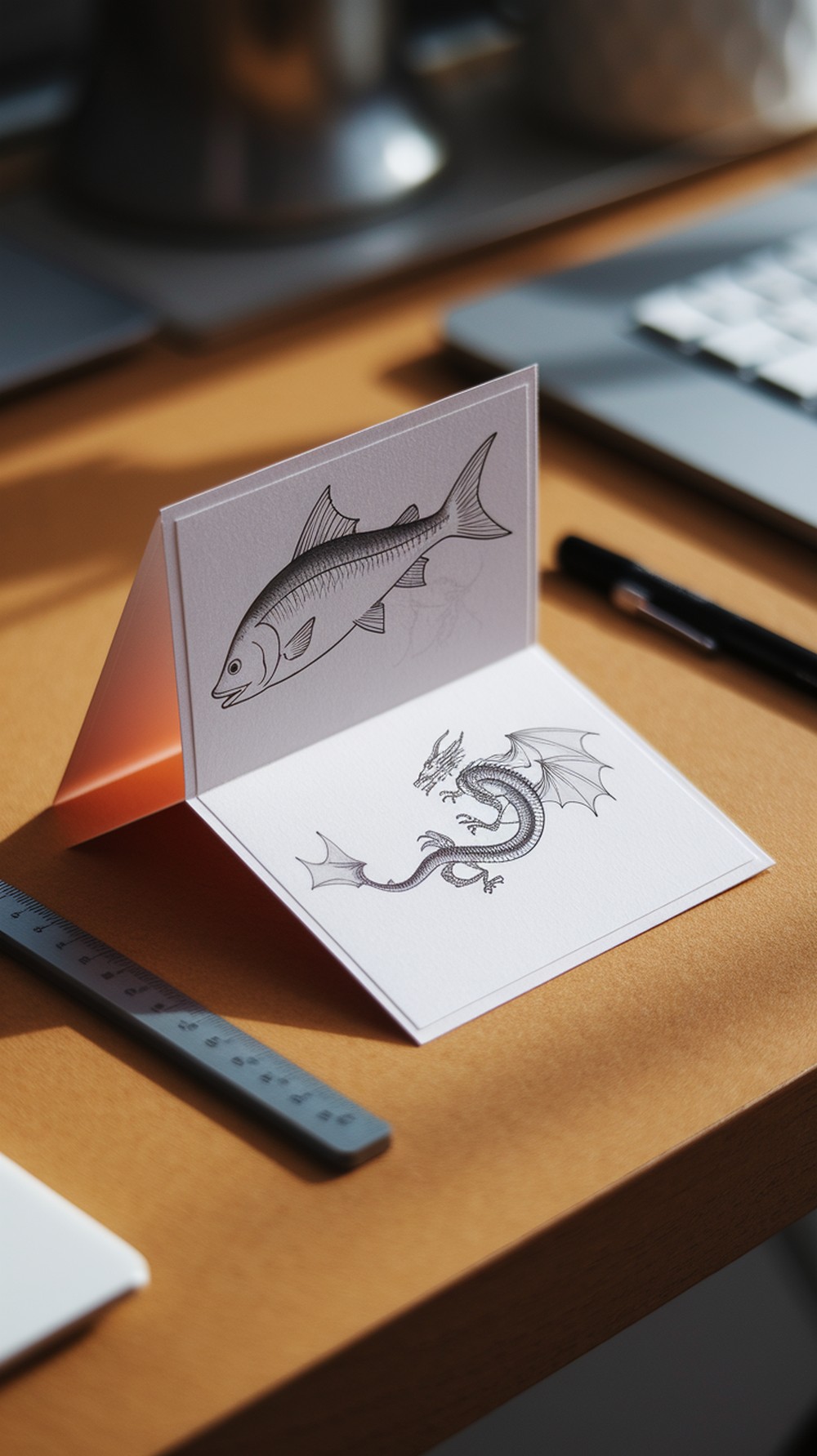
Create a playful flip illusion by folding the page into thirds, drawing one image across the visible panel, then extending hidden details over the fold. When the paper opens, a second “reveal” appears—like a calm fish becoming a dragon, or a closed door swinging into a party scene. Keep contours consistent across folds for a seamless transformation. Outline lightly, test the flip, then ink confident lines. Add minimal shading for clarity. It’s perfect for kids, classrooms, and sketchbook surprises.
Coffee-Stain Creature Sketches
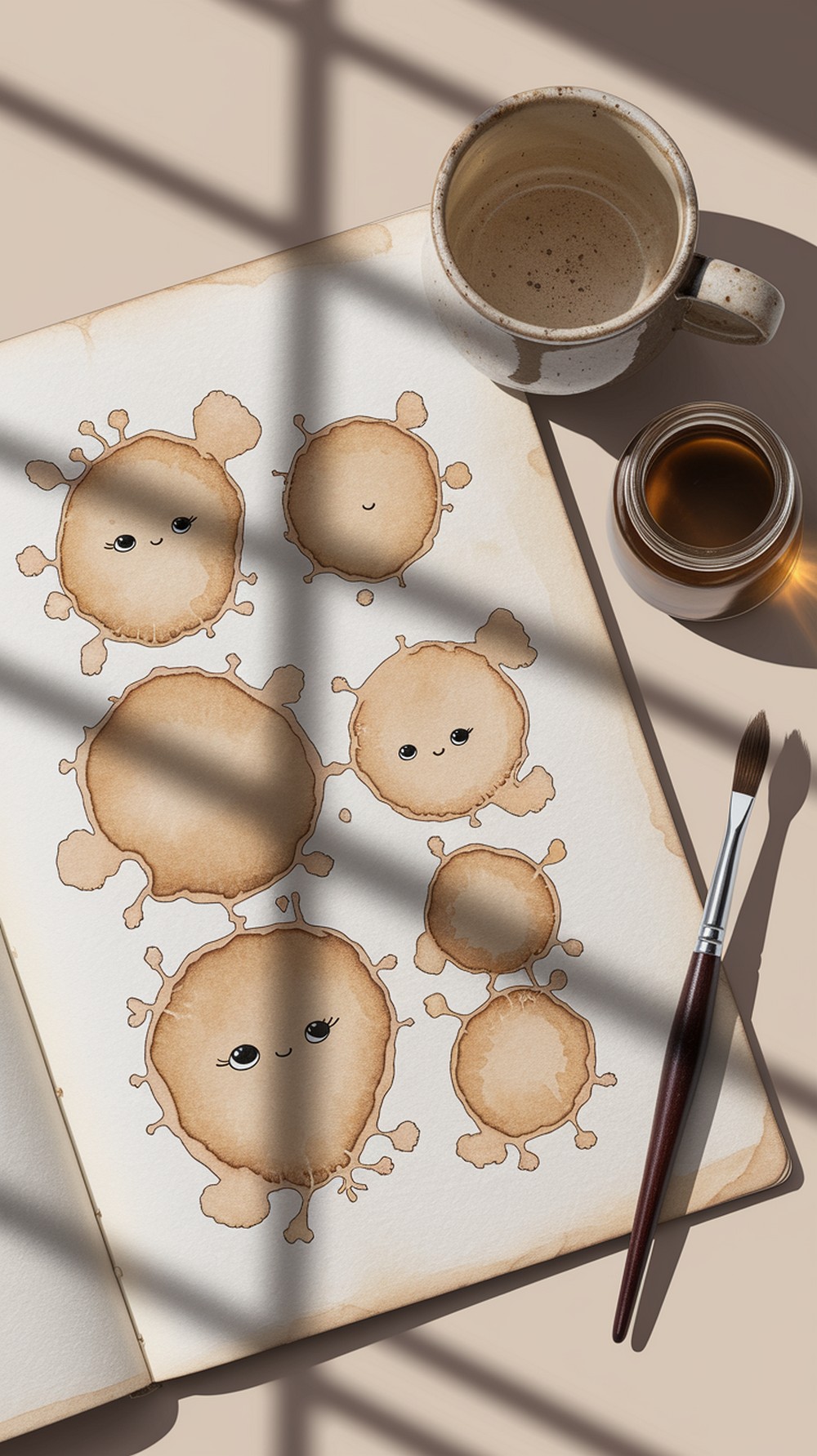
Turn random coffee stains into lively characters. Drip, splatter, or ring a mug onto paper, let it dry, then hunt for faces, wings, or limbs inside the shapes. Use a fine liner to trace features you see—eyes, beaks, antennae—then add shadows with diluted coffee or a light wash. Keep gestures loose so creatures feel spontaneous. Stack several stains for layered depth. It’s a fast, low-pressure way to spark imagination and build confidence in finding forms from chaos.
One-Continuous-Line Portraits
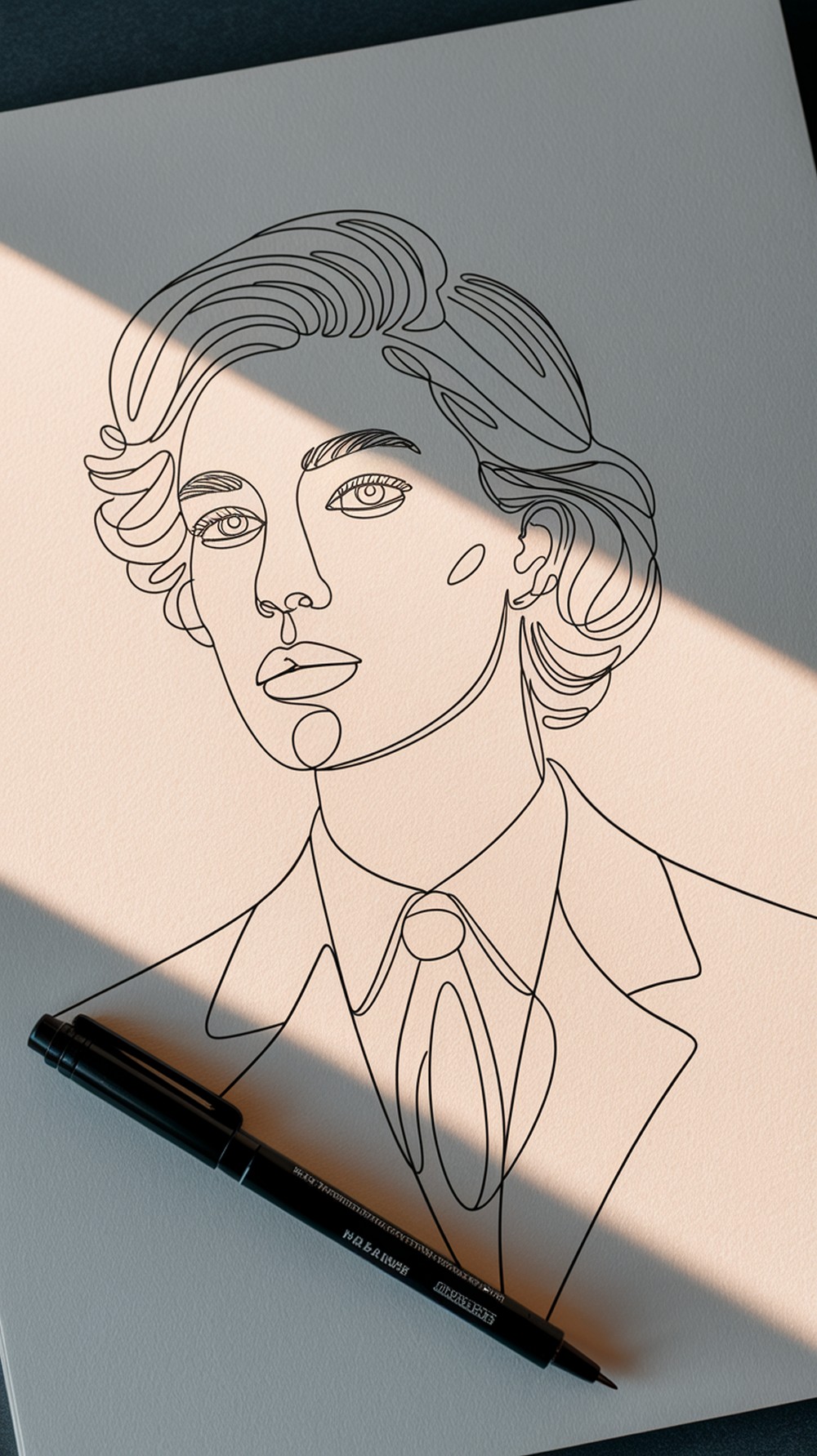
Draw a portrait using a single, unbroken line. Start at the brow, loop around eyes, nose, lips, jaw, hair, and clothing without lifting your pen. Embrace quirky proportions and overlaps—they give character. Focus on rhythm and connection rather than exact likeness. Use thicker pens for drama or ultra-fine liners for delicate pathways. Add small “speed bumps” where you slow down on features. These portraits teach observation, economy, and flow, yielding striking, poster-like results with minimal materials.
Geometric Tessellation Grids
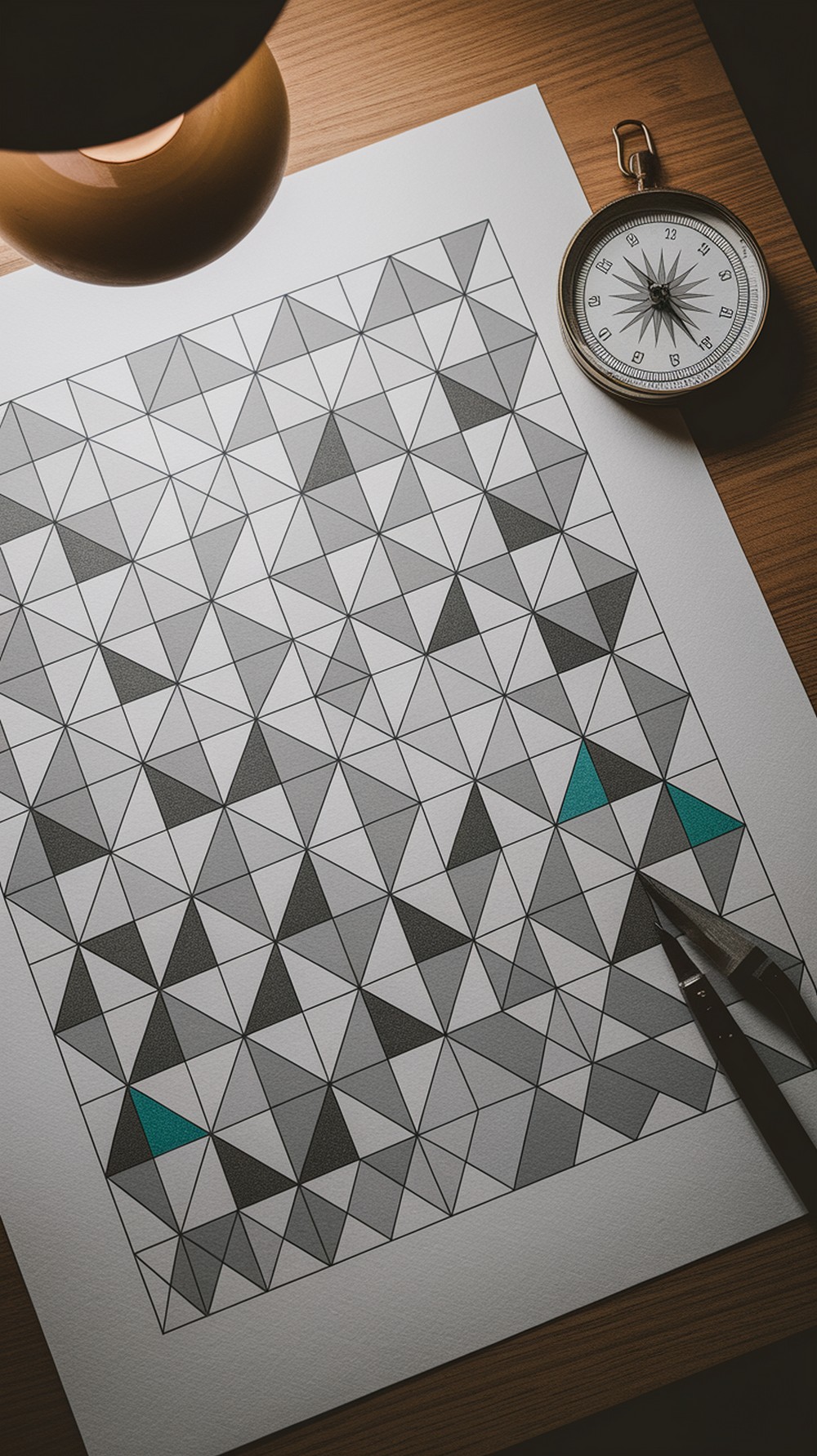
Design repeating shapes that lock together without gaps. Begin with a square or hex grid, then morph a base tile by cutting and sliding edges to invent a creature or icon that tessellates. Trace the tile across the page, keep line weights consistent, and add simple shading to pop overlaps. Alternate filled and empty cells for rhythm. This blend of math and art creates mesmerizing patterns while training accuracy, patience, and design thinking—great for both meditative drawing and portfolio pieces.
Leaf and Texture Rubbings Remix
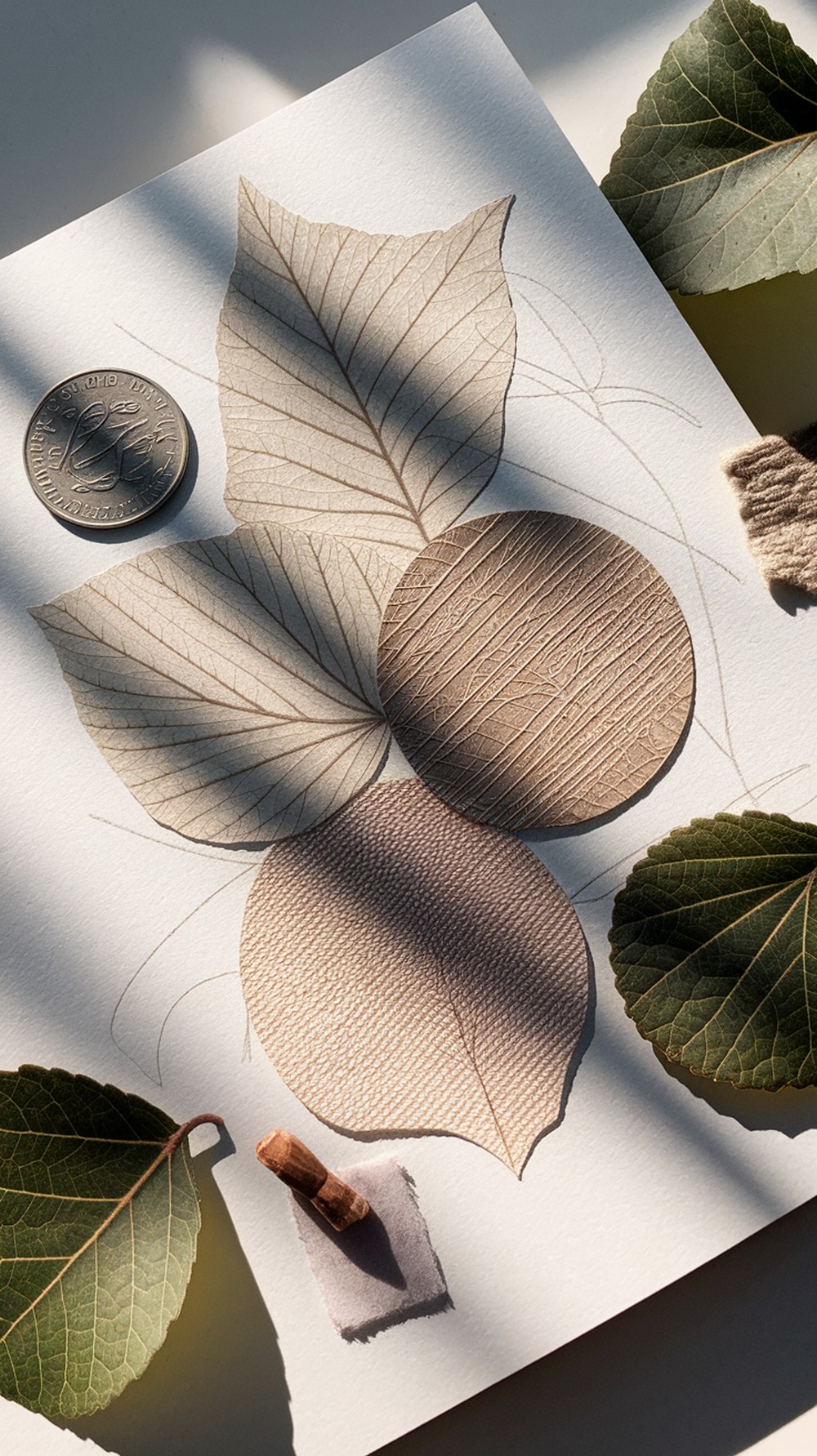
Collect leaves, coins, fabrics, or textured plastics. Place them under thin paper and rub gently with the side of a pencil to lift patterns. Arrange rubbings in overlapping compositions, then refine with contour lines, shadows, and highlights to unify the collage. Turn leaf veins into rivers, coin edges into halos, fabric weaves into architecture. Finish with a few bold darks to anchor the design. It’s a tactile way to study texture and build complex drawings from simple impressions.
Graphite to Ink-Wash Contrast
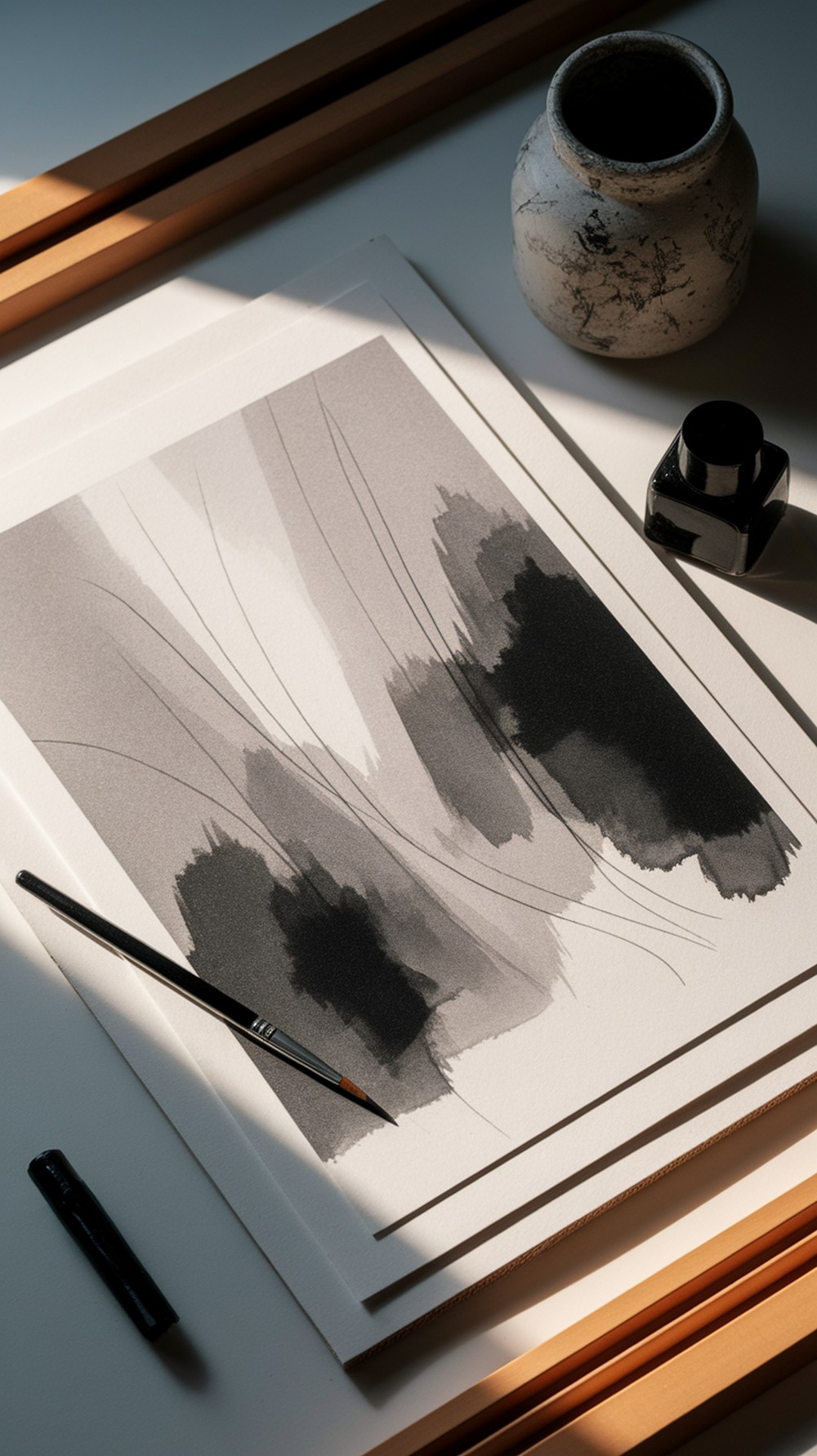
Combine precise graphite drawing with bold ink washes. Block in a clean pencil sketch—faces, buildings, or objects—then brush diluted ink over selected areas to control focus and mood. Keep one region high-contrast and let others fade to soft values. Use paper towels for lifting highlights and dry-brush for texture. The interplay of crisp lines and fluid tone creates cinematic depth. It’s ideal for learning value hierarchy, edge control, and how limited tools can look richly finished.
Optical-Illusion Cube Fields
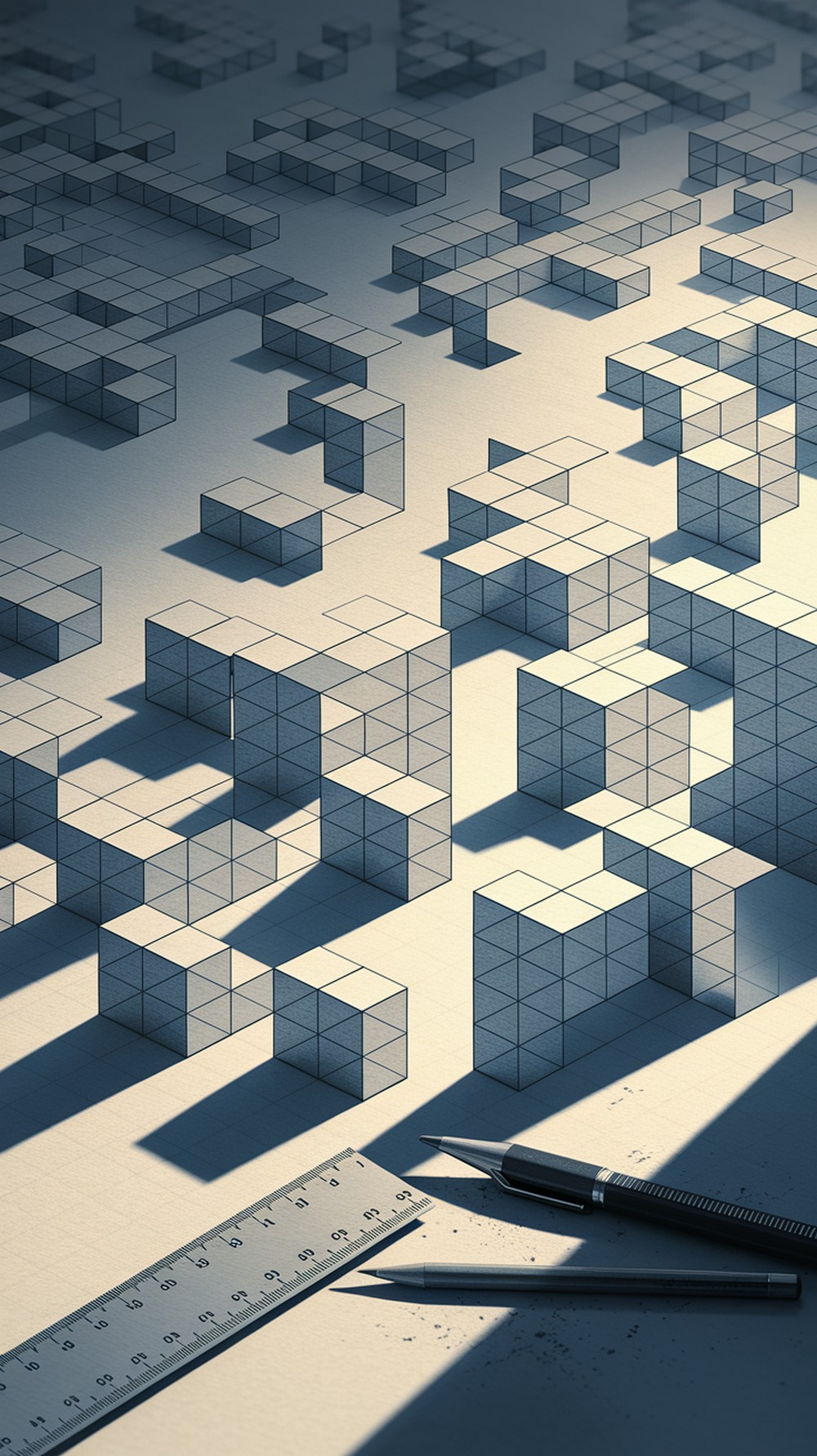
Build a field of isometric cubes that flip between foreground and background as you shade. Use a light triangle grid or isometric ruler. Draw connected cubes, then shade three faces with distinct values—light, mid, dark—to make forms pop. Introduce occasional “voids” where cubes are missing to add mystery. Slight value shifts can invert perception, creating a satisfying visual puzzle. This idea sharpens spatial thinking, consistency in line work, and smooth, even shading across repeated structures.
Mini-Comic Story Thumbnails
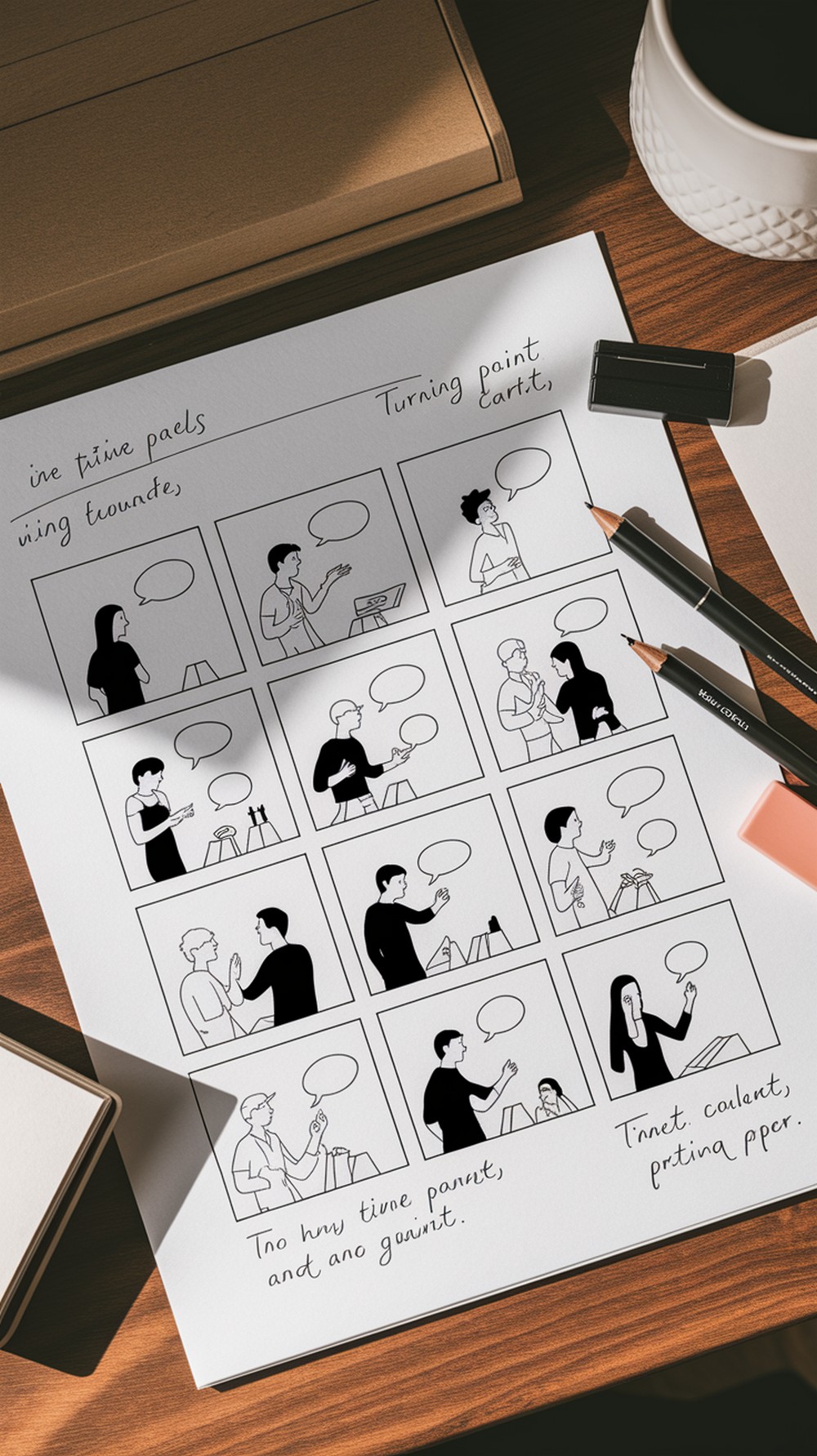
Plan a tiny comic—six to nine panels—using quick, readable drawings. Define a hook, a turn, and a payoff. Keep characters simple, nail clear silhouettes, and prioritize eye flow: big shapes first, details last. Use speech balloons sparingly and let actions carry the story. Vary panel sizes for pacing and punchlines. Once layouts read clean at thumbnail size, you can scale up confidently. This exercise boosts storytelling, composition, and speed, perfect for daily practice or classroom prompts.
Zentangle Tile Mosaics
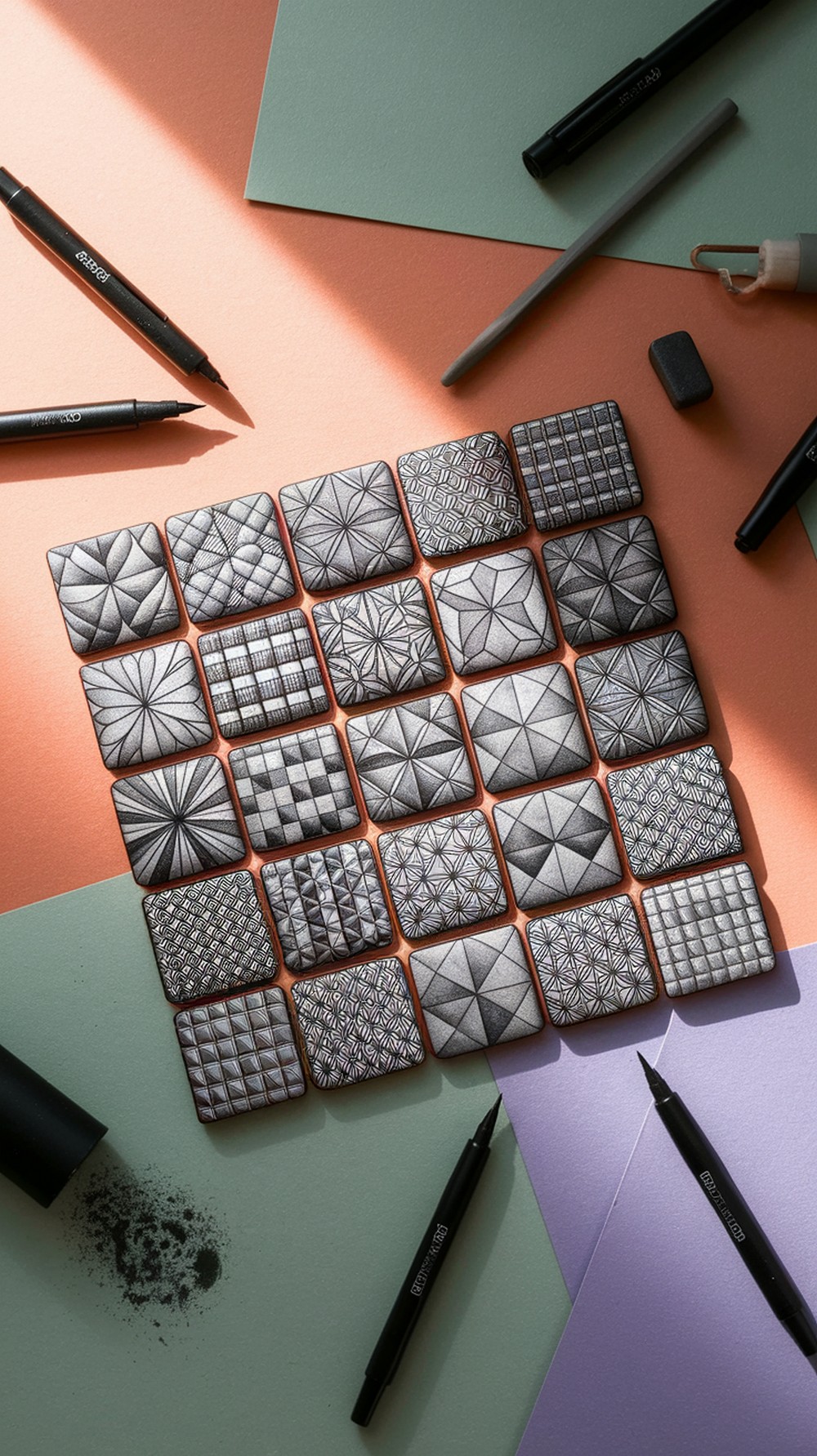
Fill a page with tiled squares or circles, each hosting a different pattern. Start with a pencil grid, ink borders, then explore structured marks: arcs, dots, waves, nets, and spirals. Alternate dense and open textures to balance breathing space and intricacy. Add subtle graphite shading to round forms and lift overlaps. The modular approach lowers pressure—you finish one tile at a time—yet the overall mosaic feels detailed and cohesive. It’s calming, portable, and endlessly remixable.
Conclusion
Paper drawing thrives on limits. With simple tools, you can chase bold silhouettes, playful flips, found forms, rhythmic lines, geometric order, tactile textures, tonal drama, spatial puzzles, vivid stories, and mindful patterns. Use these paper drawing ideas as short daily warm-ups or stack them into longer projects. Keep experiments small and frequent, vary pressure and value, and let surprises lead your next move. Most of all, finish often—momentum builds skill, and skill unlocks even better ideas.


