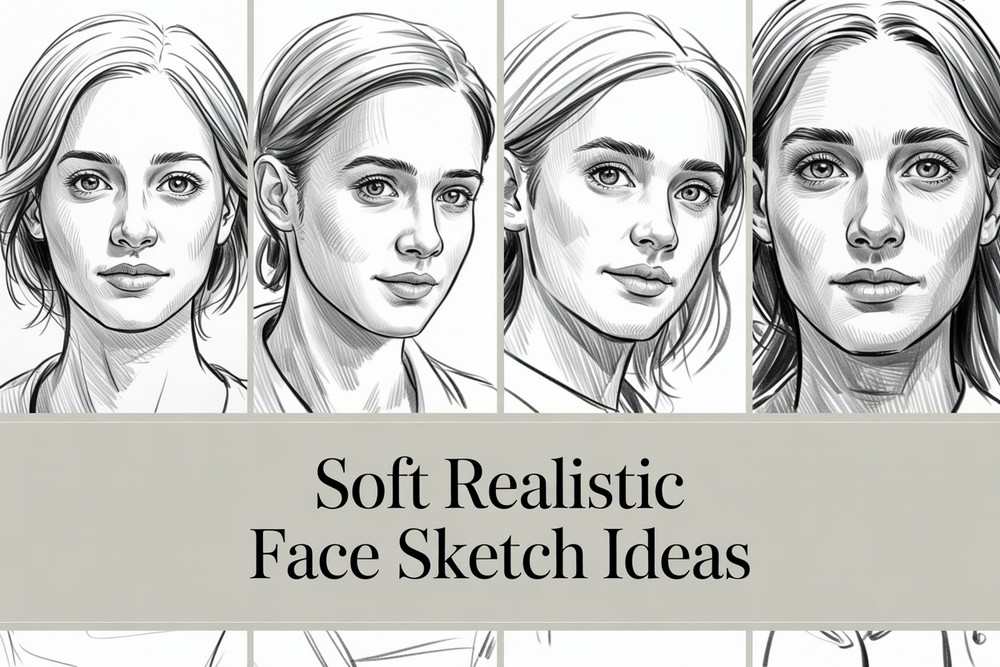
12 Soft Realistic Face Sketch Ideas
Soft, realistic face sketches reward patience, gentle edges, and careful light. This guide walks you through twelve focused ideas to practice softness without losing structure. You’ll build from light mapping and proportions to tonal control, edges, texture, and storytelling. Each section keeps the look subtle and believable, using pressure control, blending restraint, and thoughtful reference choices. Use any dry media you like—graphite, charcoal, carbon, or colored pencil—and keep a kneaded eraser handy. Practice slowly. Fewer marks, better placed.
Add Quick List
- Soft light mapping for form
- Edge control and lost-and-found contours
- Proportions and gentle construction lines
- Tonal hierarchy with quiet midtones
- Subtle expressions that feel alive
- Skin texture without visible “dots”
- Hair as volumes, not strands
- Eyes that glow without hard outlines
- Noses and mouths with breathable softness
- Neck, shoulders, and gesture support
- Background tones that shape the face
- Finishing touches and knowing when to stop
Soft light mapping for form
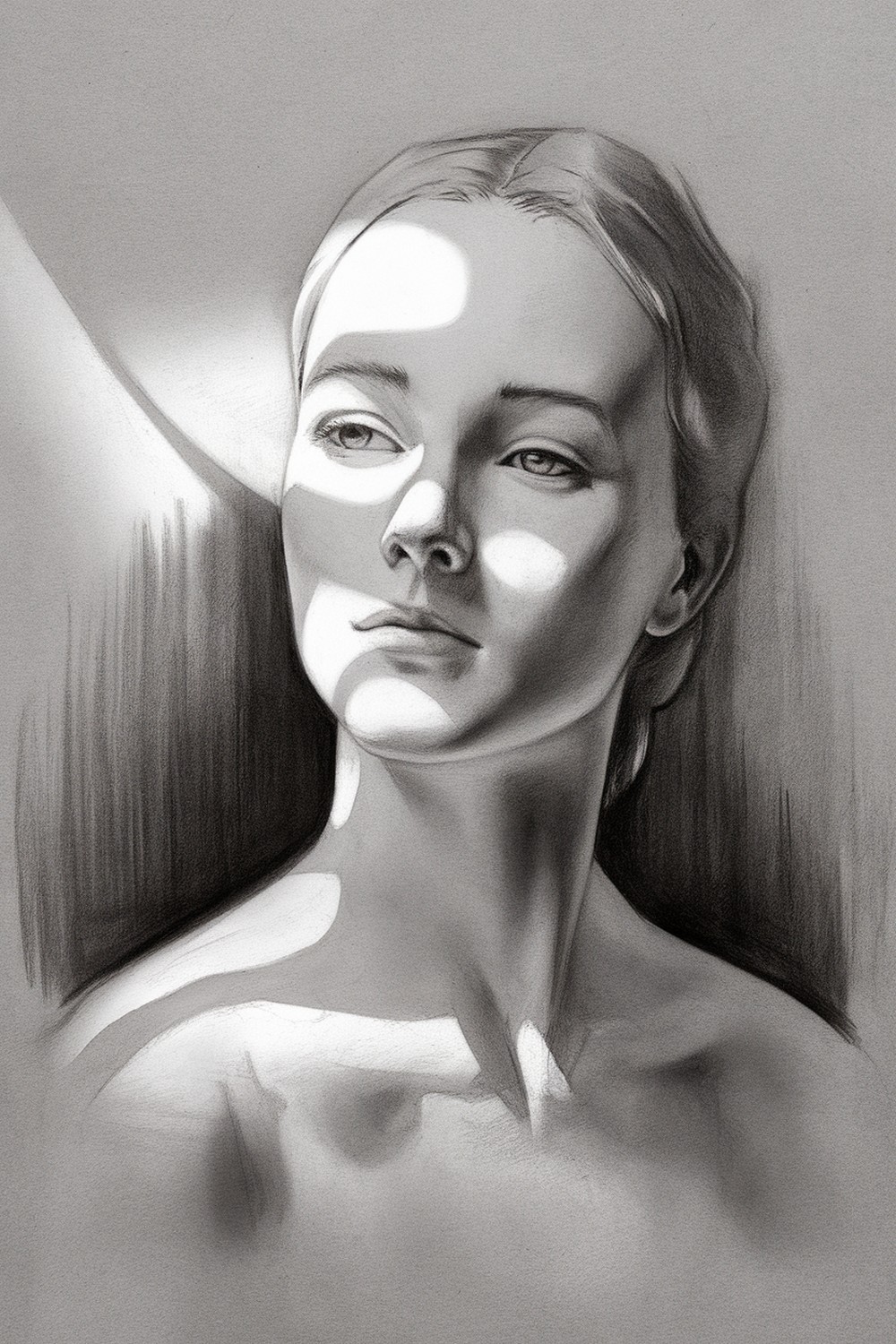
Begin Soft Realistic Face Sketches with a light map that shows where light falls and where mass turns away. Use a blunt pencil and feather-light pressure to block big shapes first: forehead plane, cheek masses, nose wedge, chin. Keep shapes simple and readable. Place a single, believable light source. Establish a quiet midtone across the shadow family before dark accents. Reserve the brightest paper for highlights. By softly grouping tones early, you create volume without hard lines, making later details easy.
Edge control and lost-and-found contours
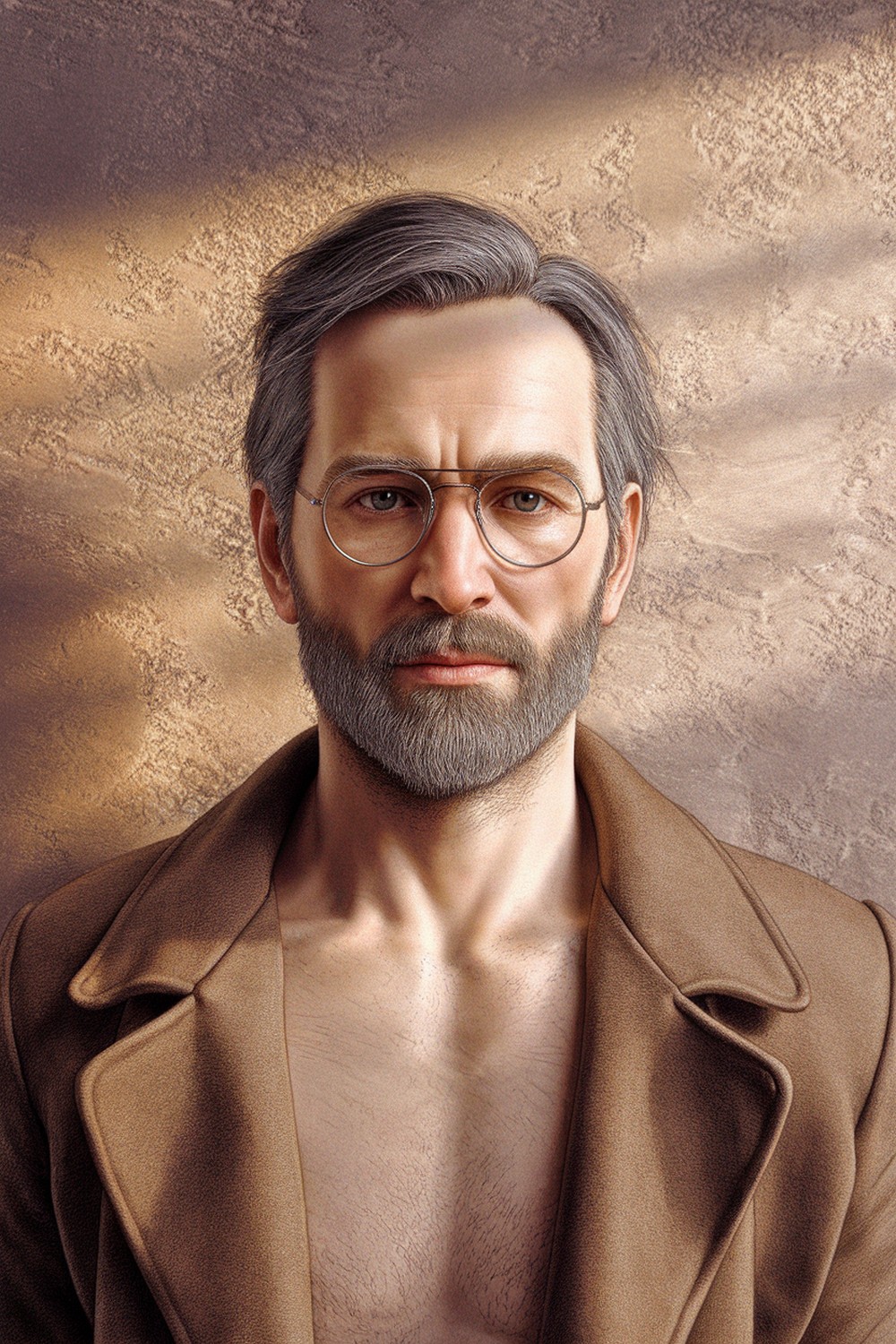
Soft Realistic Face Sketches depend on edge variety. Avoid outlining. Let light-side edges dissolve into the background where values match, and firm up only where planes flip or features need clarity. Squint to judge where edges should vanish. Use a kneaded eraser to blur transitions instead of smearing everything flat. Sharpen edges sparingly at eyelids, nostril cores, and the corner of the mouth. This contrast of crisp and soft edges creates realism, depth, and a gentle, breathable look.
Proportions and gentle construction lines
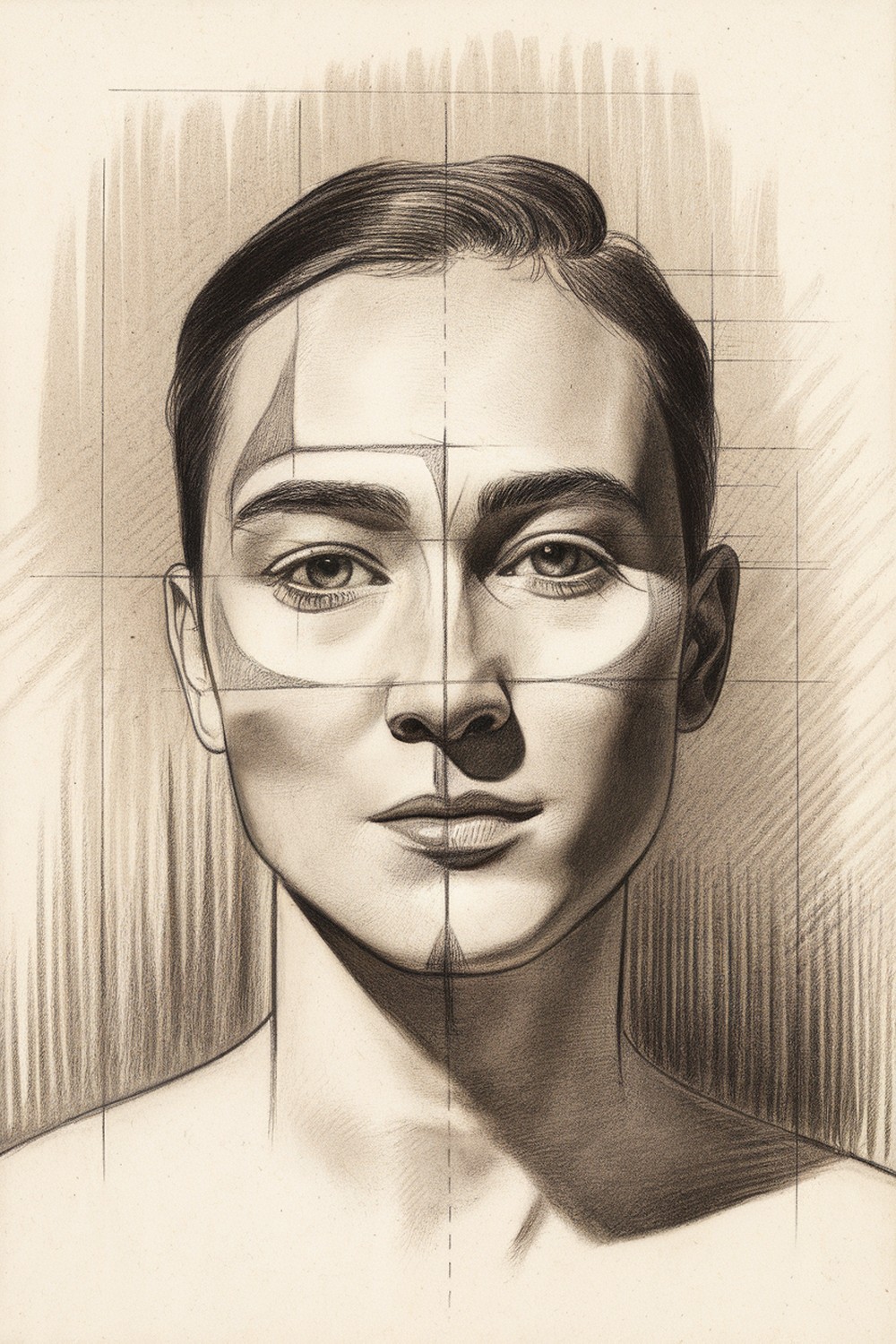
Keep construction lines whisper-thin so they disappear inside the final tones. Soft Realistic Face Sketches benefit from a simple rhythm map: brow line, base of nose, mouth line, and hairline. Indicate tilt with a center line across the face, then place eye angles, not just eye “dots.” Measure with your pencil and compare widths to heights. Maintain symmetry checks by flipping the page or stepping back. Light guidelines keep you honest without carving grooves that show through shading.
Tonal hierarchy with quiet midtones
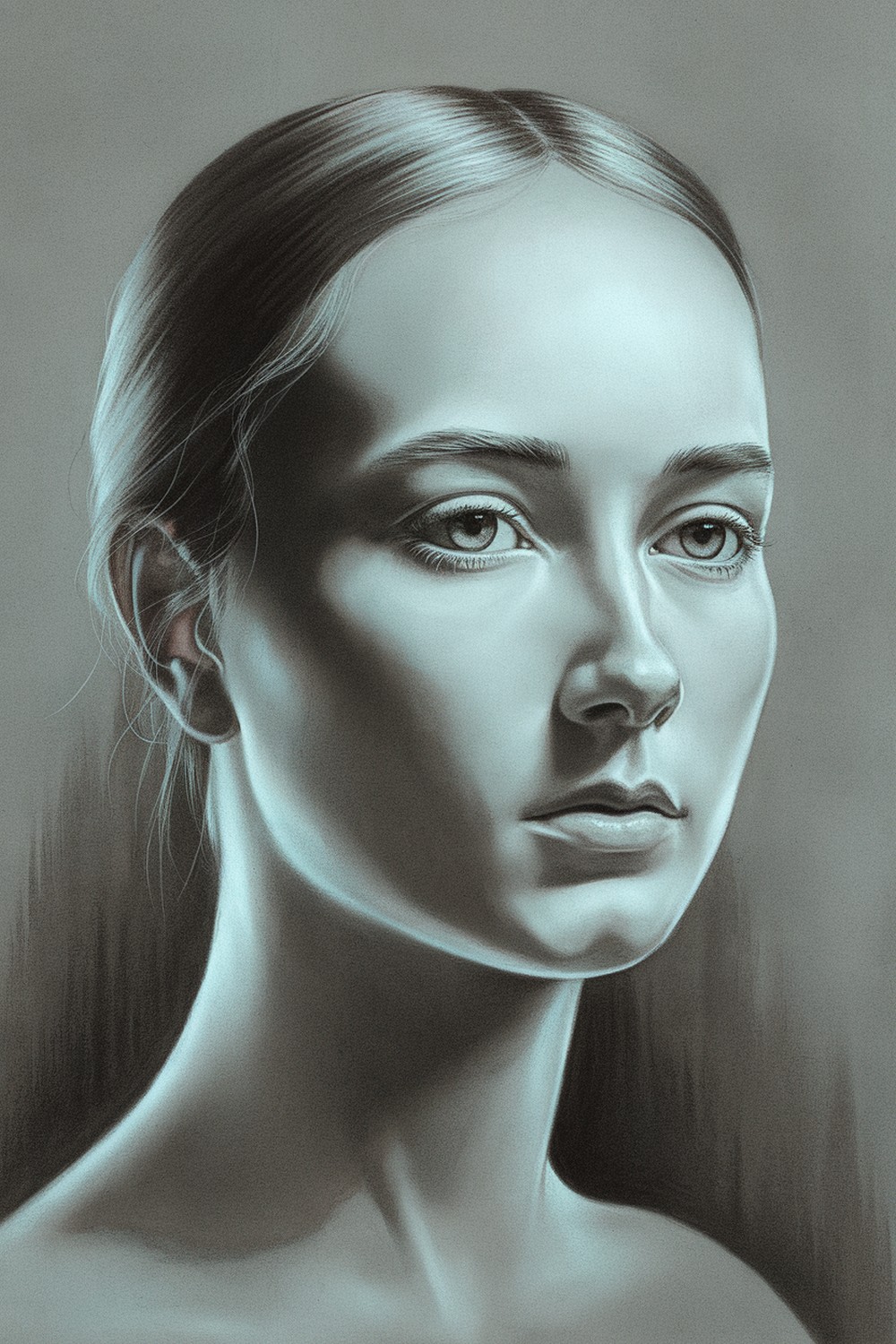
Think in three simple families: light, mid, and shadow. For Soft Realistic Face Sketches, keep your midtones calm and even, building them with layered, directional strokes. Drop in the shadow family cleanly—no patchy, speckled grain—and keep it a touch darker than you think to protect highlight headroom. Add accents last: lash line, nostril core, mouth creases. This clear value hierarchy makes the face read at a glance. Control pressure, layer slowly, and avoid jumping straight to darks.
Subtle expressions that feel alive
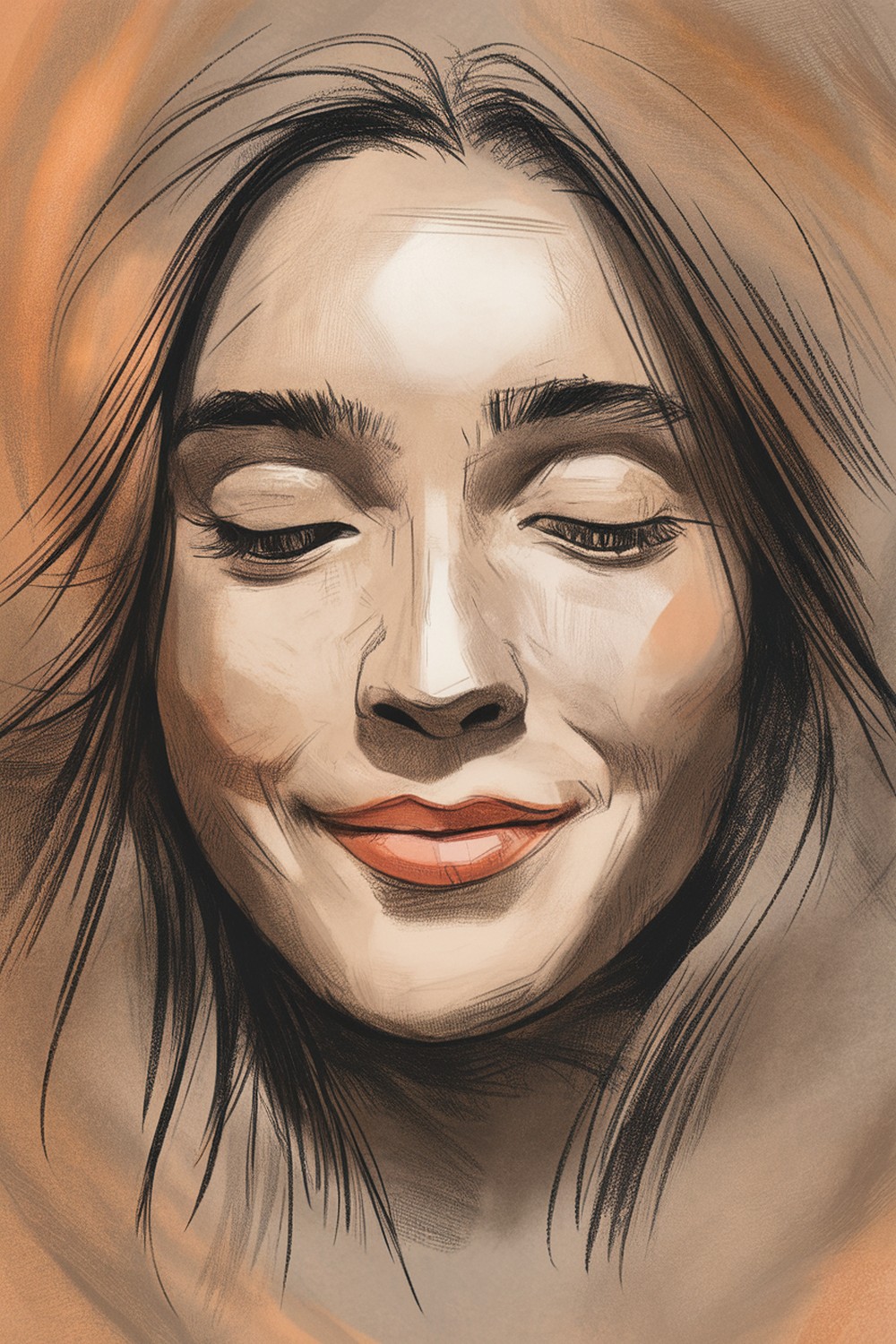
Lifelike softness comes from micro-shifts, not caricature. For Soft Realistic Face Sketches, suggest expression with small cues: slight brow tilt, cheek lift, mouth corners, and eyelid tension. Don’t press hard to “draw a smile.” Shape the cheek shadow, soften the nasolabial transition, and suggest dimples with value shifts, not lines. Keep the whites of the eyes in the light family, not bright white. A breathing expression appears when planes, edges, and tones agree under the same light.
Skin texture without visible “dots”
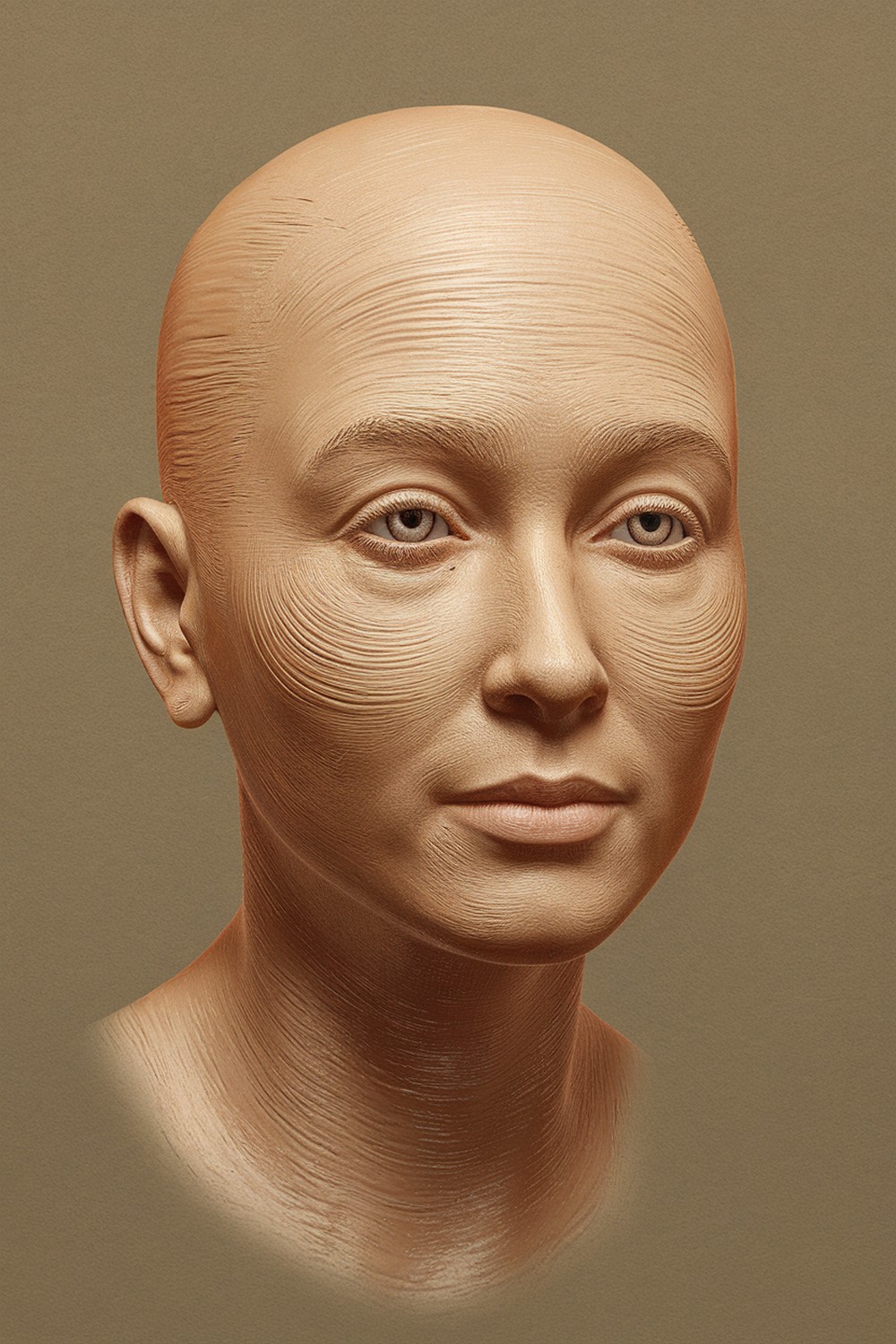
Avoid polka-dot pores. In Soft Realistic Face Sketches, texture comes from controlled noise: varied stroke direction, gentle lifting with a kneaded eraser, and selective micro-accents in shadow. Work from big, even passes to tiny suggestions. T-zone areas (forehead, nose, chin) are smoother and catch sharper highlights; cheeks and jaw carry softer transitions. Use toothy paper to hold layers, not to create grainy speckle. Keep high-chroma distractions out; realism lives in value, edge, and temperature implication.
Hair as volumes, not strands
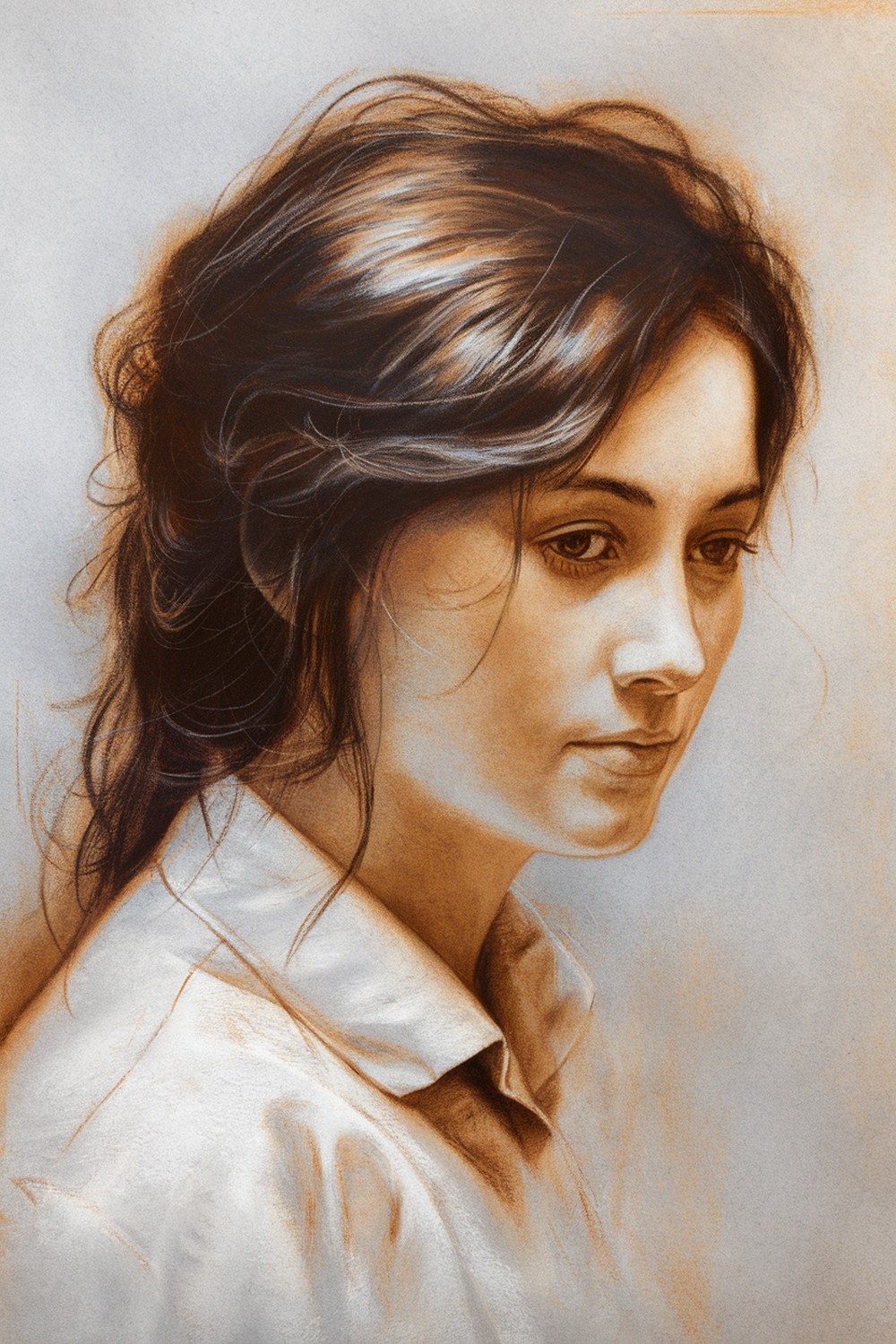
Treat hair like flowing masses with light traveling over them. In Soft Realistic Face Sketches, start by blocking the hair shape and shadow mass, then carve lights with eraser lifts. Indicate direction with broader strokes, saving single strands for a few strategic flyaways. Avoid outlining the hairline; let it taper into skin with broken, soft edges. Keep the darkest darks inside the hair mass, not at the outline. This volume-first approach gives hair softness and believability.
Eyes that glow without hard outlines
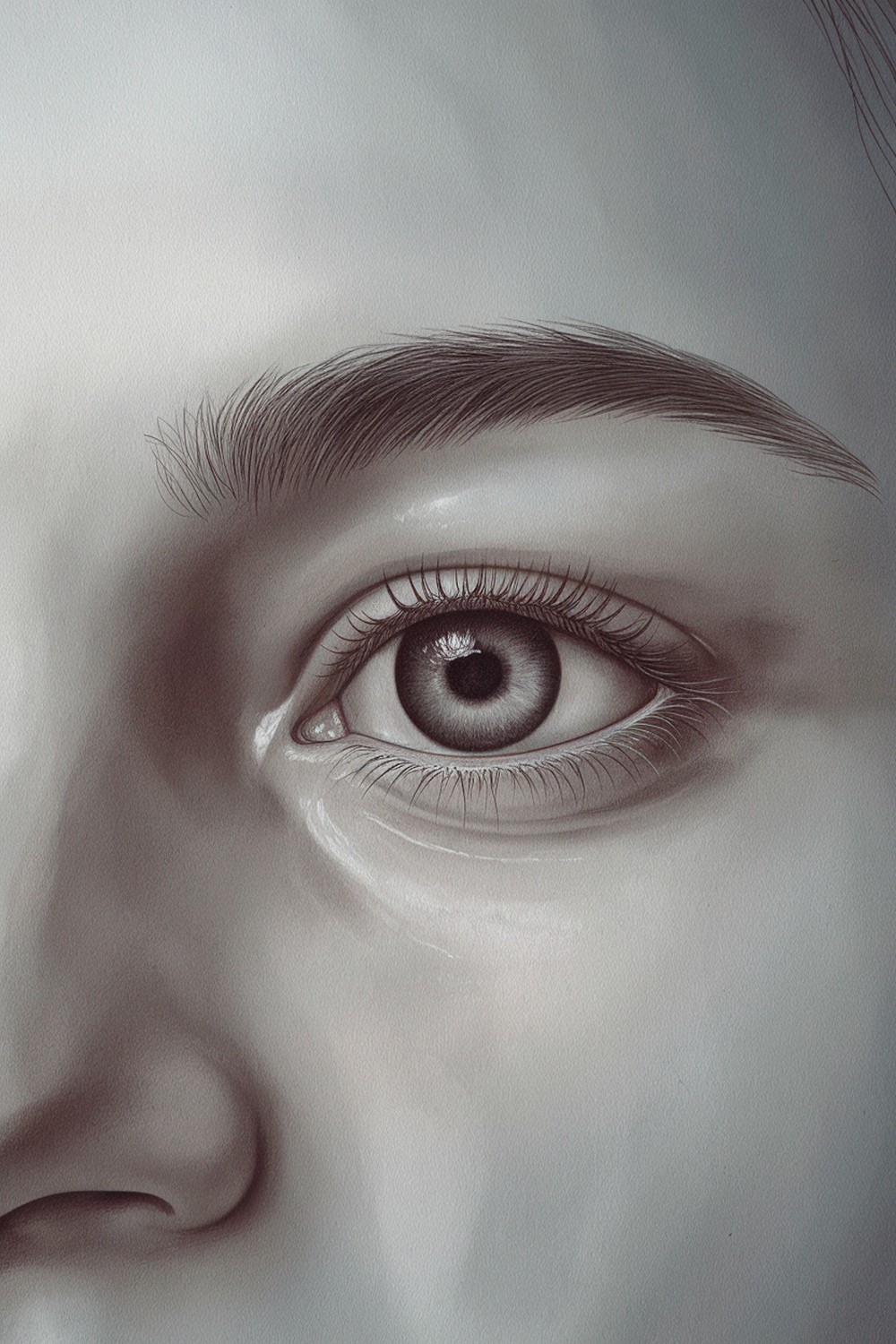
For Soft Realistic Face Sketches, build eyes from spheres under lids. Shade the eyeball softly; it’s not white. Place the iris darker than the sclera, with the pupil as your deepest dark. Lose parts of the upper iris edge into the lid shadow; sharpen only where you need snap. Reflect catchlights carefully, consistent with your light source. Let lower lashes be grouped, faint, and directional—no mascara fences. Keep tear ducts moist with smooth transitions, not bright specks.
Noses and mouths with breathable softness
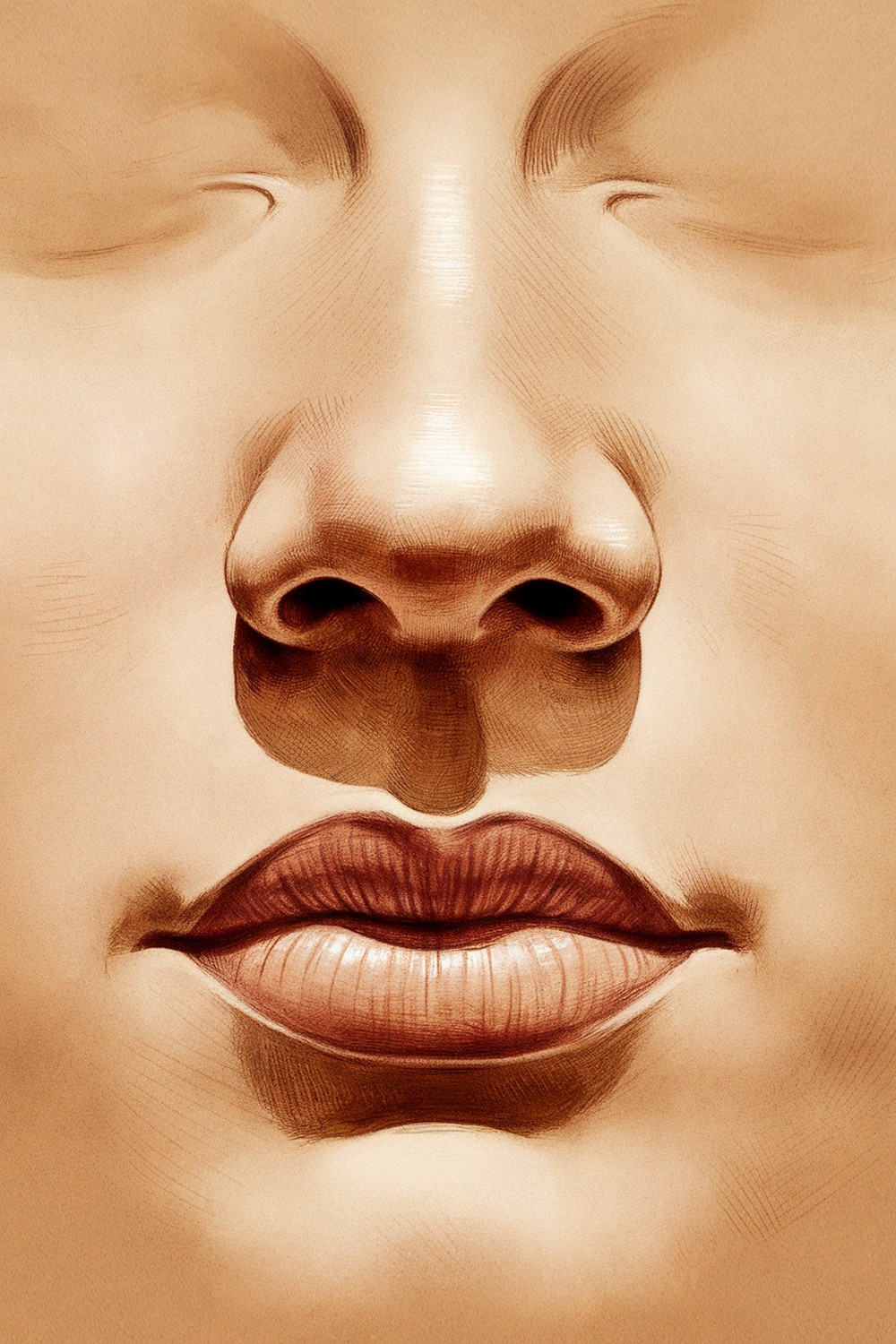
Noses and mouths read best with edges that come and go. In Soft Realistic Face Sketches, avoid outlining the nostrils; build them from the shadow core and soften their edges. Let the philtrum slope gently into the upper lip. Mark the mouth’s center line lightly, then model each lip as turning forms with subtle value shifts. Corners of the mouth sit back in space—darken them slightly. Keep specular highlights tiny and placed, so lips feel soft, not glossy.
Neck, shoulders, and gesture support
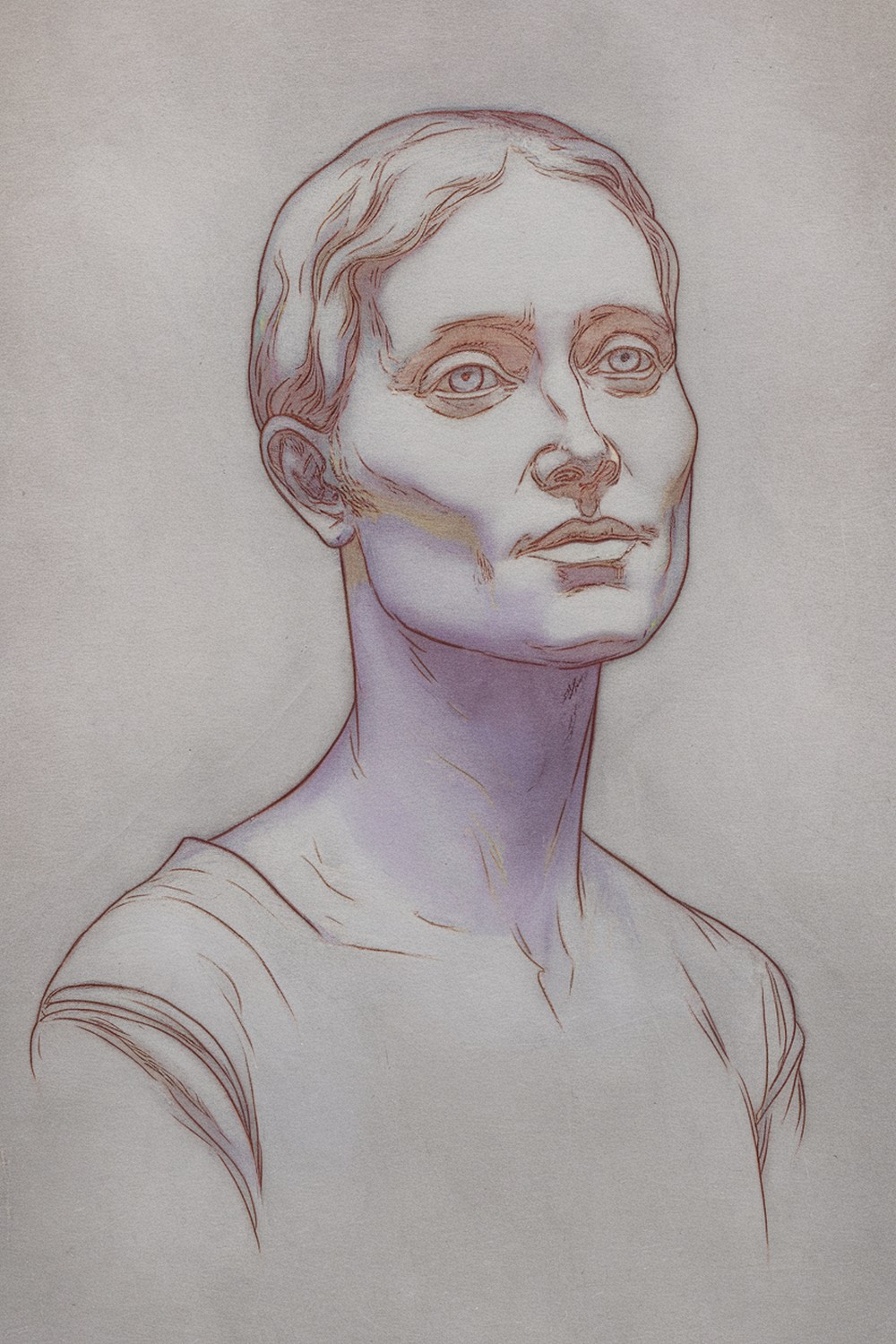
Faces float without context. For Soft Realistic Face Sketches, carry the gesture into neck and shoulders. Indicate sternocleidomastoid and clavicle planes with soft, directional shading that supports the head’s tilt. Keep the neck slightly darker than the face to push features forward. Blend transitions where skin rounds, and avoid harsh shirt outlines. A few quiet strokes can anchor posture and mood, helping the portrait feel grounded and balanced without pulling attention away from the face.
Background tones that shape the face

Use the background to sculpt. In Soft Realistic Face Sketches, add a subtle tone behind the light side of the face to pop the silhouette, and let the shadow side fade into similar values. Work with broad, diagonal strokes to avoid banding, and keep it lighter than hair masses. A controlled vignette can direct the eye to key features. Remember: background choices are value decisions first; they should support form and softness, never overpower the portrait.
Finishing touches and knowing when to stop
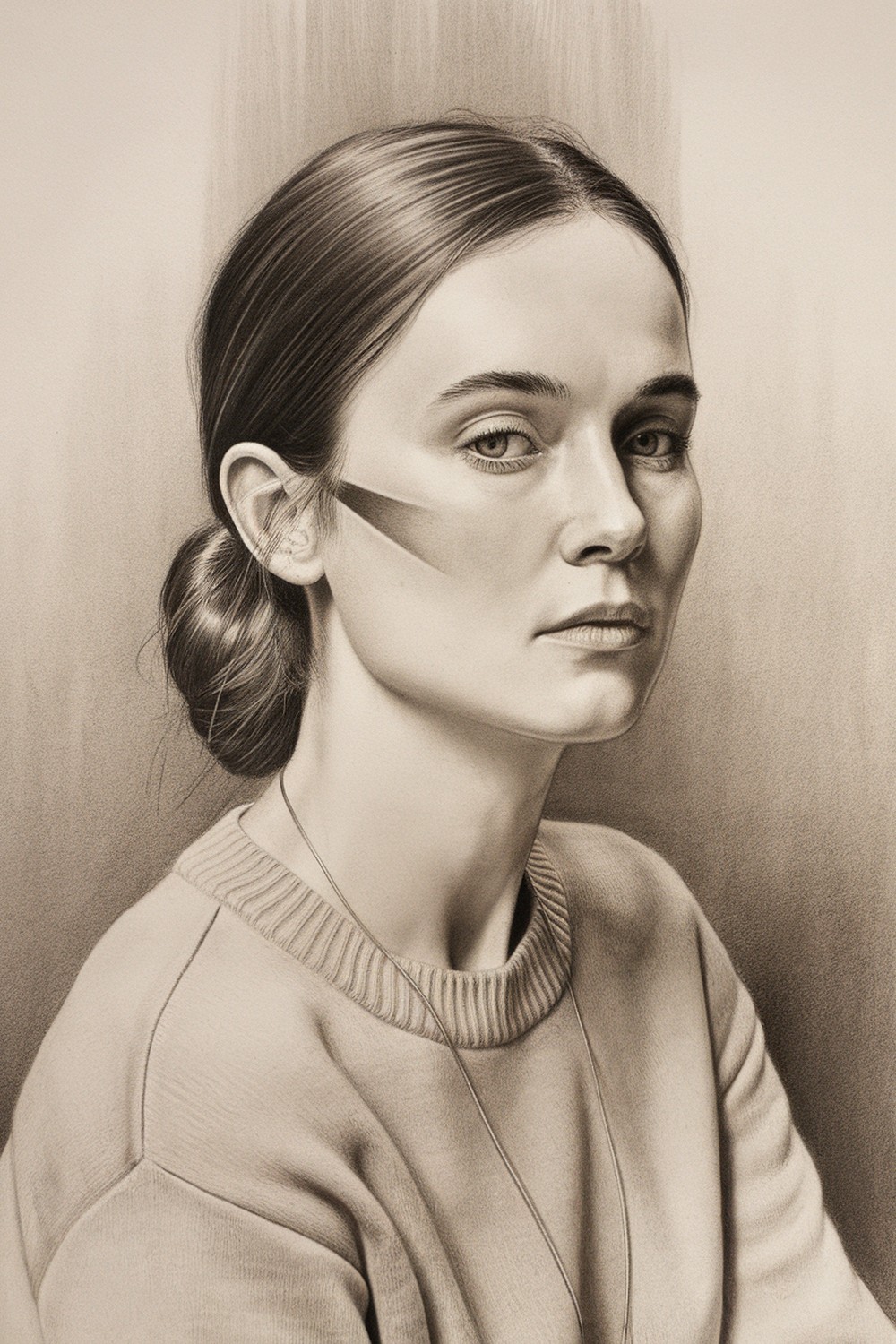
Resist overworking. For Soft Realistic Face Sketches, finish by tightening a few accents—upper lash line, nostril core shadow, lip corners, and the darkest hair folds. Lift micro-highlights on the lower lid and cheekbone with a clean eraser. Check value grouping by squinting: does the face read clearly from across the room? If yes, stop. Sign small. Soft realism is about restraint; the most convincing portraits leave air around edges and let the paper’s brightness breathe.
Conclusion
Soft, realistic face sketches thrive on restraint, clear values, and sensitive edges. Start big, keep construction lines faint, and let tones carry the form. Reserve hard edges and darkest accents for the few places that need them, and let other contours dissolve into the background. Build hair as volumes, eyes as spheres, and lips as soft turns. Anchor gesture with the neck and shoulders. When the face reads at a glance, you’re done—leave the rest implied.


