25 Easy Painting Ideas For Kids
Kids light up when paint turns simple steps into bold, happy art. These 25 easy painting ideas for kids use household supplies, playful techniques, and forgiving processes that spark confidence. You’ll find quick, low-mess options and juicy, color-rich projects for deeper focus. Each idea teaches basics—color mixing, shape, texture, pattern, and composition—while leaving room for imagination and storytelling. Perfect for home, class, or rainy days, these projects invite joyful experimentation. Lay out a drop cloth, pour a few colors, and let curiosity guide bright, splashy discoveries.
Add Quick List
- Fingerprint Garden Meadow
- Crayon-Resist Rainbow Wash
- Tape-Resist City Skyline
- Sponge-Stamped Ocean World
- Splatter Silhouette Fireworks
- Bubble Paint Magic
- Nature-Brush Texture Painting
- Squeegee Rainbow Abstracts
- Straw-Blown Monster Shapes
- Cardboard Stamp Patterns
- Q-Tip Pointillism Tree
- Folded Ink Symmetry Prints
- Marble Roll Color Trails
- Coffee Filter Tie-Dye
- Salt-Textured Watercolor Lines
- Handprint Animal Portraits
- Foil-Shine Paint Panels
- Rock Critter Painting
- Ice Cube Color Slides
- Spin Art Bursts
- Sunset Silhouette Scenes
- Leaf-Print Negative Space
- Shaving Cream Paper Marbling
- Veggie Stamp Picnic Prints
- Dandelion Puff Dot Painting
Fingerprint Garden Meadow
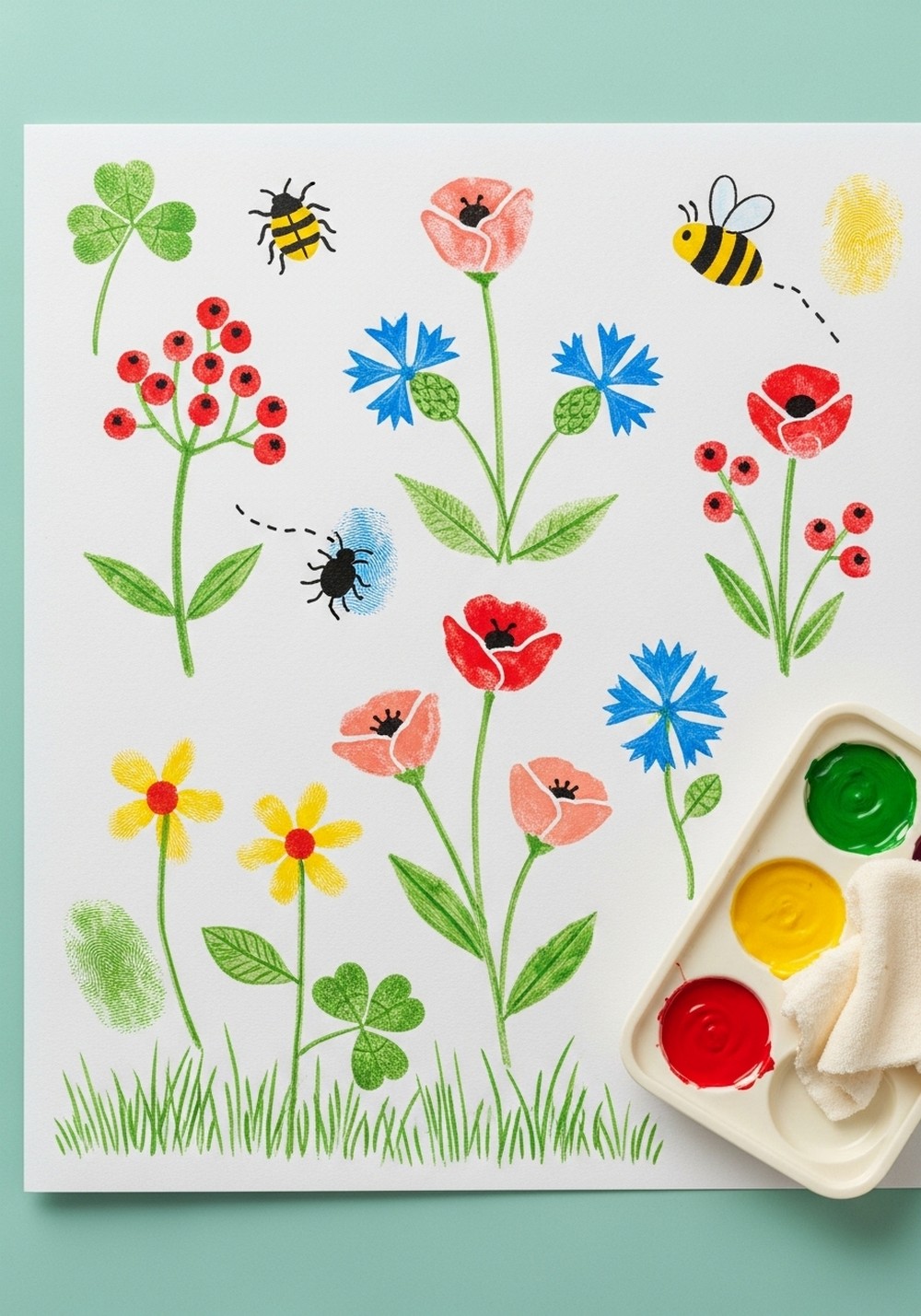
Dip fingertips into paint and press gentle dots across the page for flowers, bugs, and berries. Add stems and leaves with a thin brush or marker once dry. Turn clusters into tulips, daisies, and clover; stack prints for a chubby bee body and add tiny wings. Vary pressure for big and small blossoms, mixing yellow with a touch of red to make warm oranges. Kids practice patterning, scale, and color blending while building a lively meadow that feels personal and joyful.
Crayon-Resist Rainbow Wash
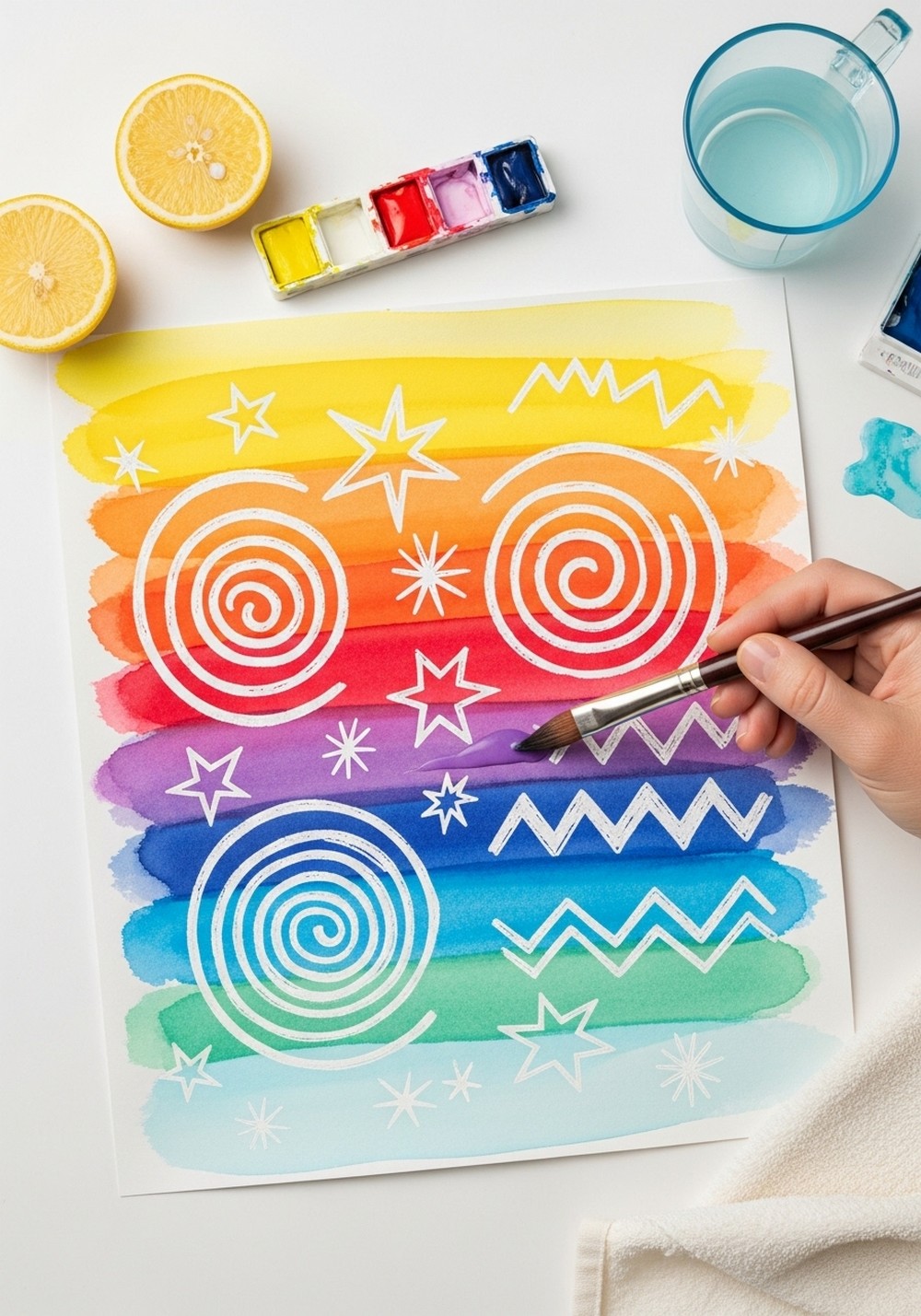
Press firmly with white (or light) crayon to draw spirals, stars, and stripes. Brush diluted watercolor or thinned tempera across the whole page in broad, overlapping bands—red to violet or any palette they love. Watch drawings pop through the paint like magic. Layer a second wash to darken areas and keep a few bright spots for glow. This introduces contrast, wet-on-wet blending, and planning light/ dark. Every piece looks polished with minimal effort—perfect for quick wins and big smiles.
Tape-Resist City Skyline
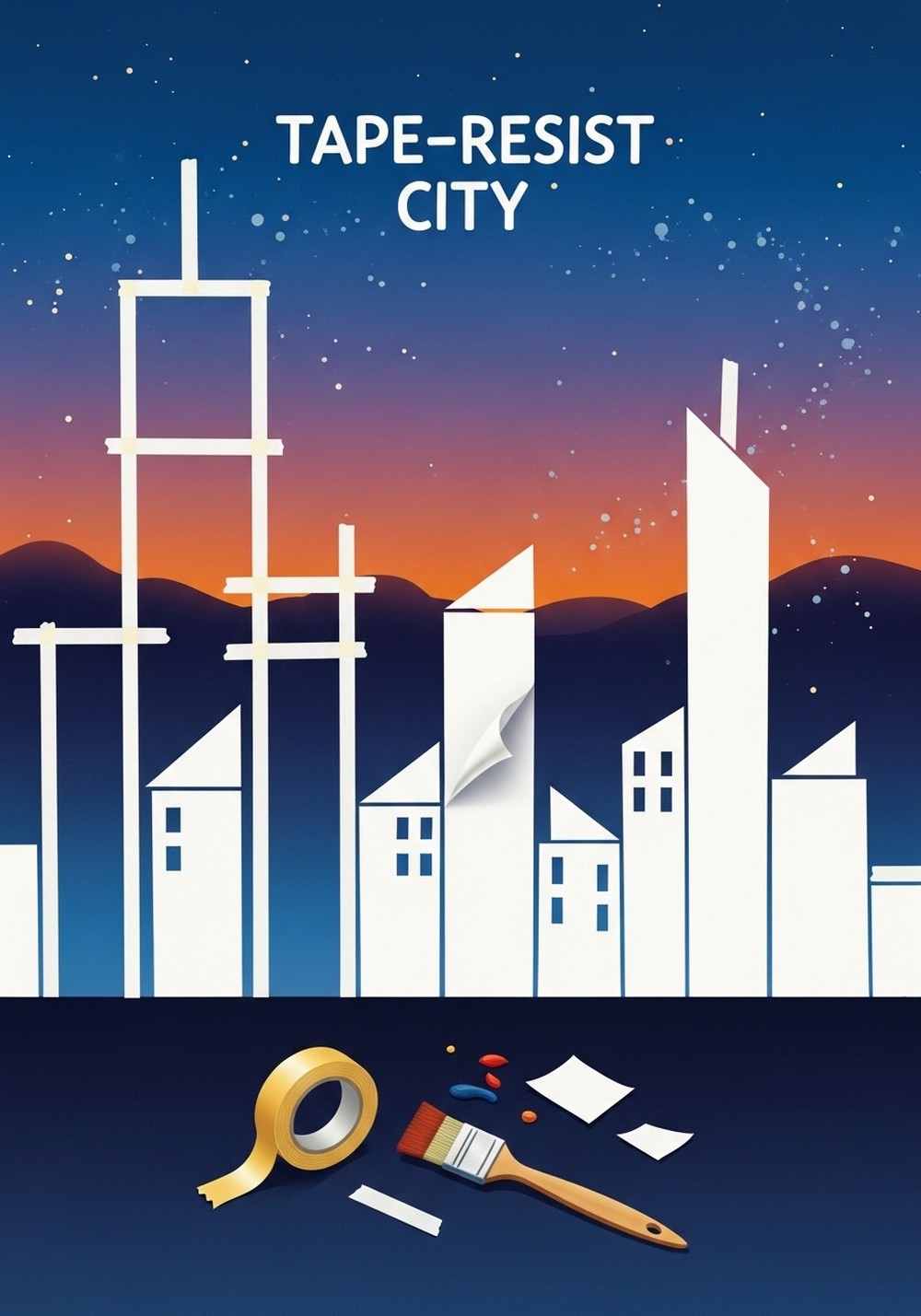
Stick painter’s tape to form tall rectangles and roof shapes along a horizon. Roll or brush paint over the paper in night-sky blues or sunrise gradients. Splatter tiny stars or add soft clouds, then carefully peel the tape to reveal crisp white buildings. Finish with windows, doors, and tiny signs using markers or paint pens. This teaches negative space, straight-line planning, and the satisfaction of a clean “reveal.” Great for learning foreground/background and experimenting with sky moods.
Sponge-Stamped Ocean World
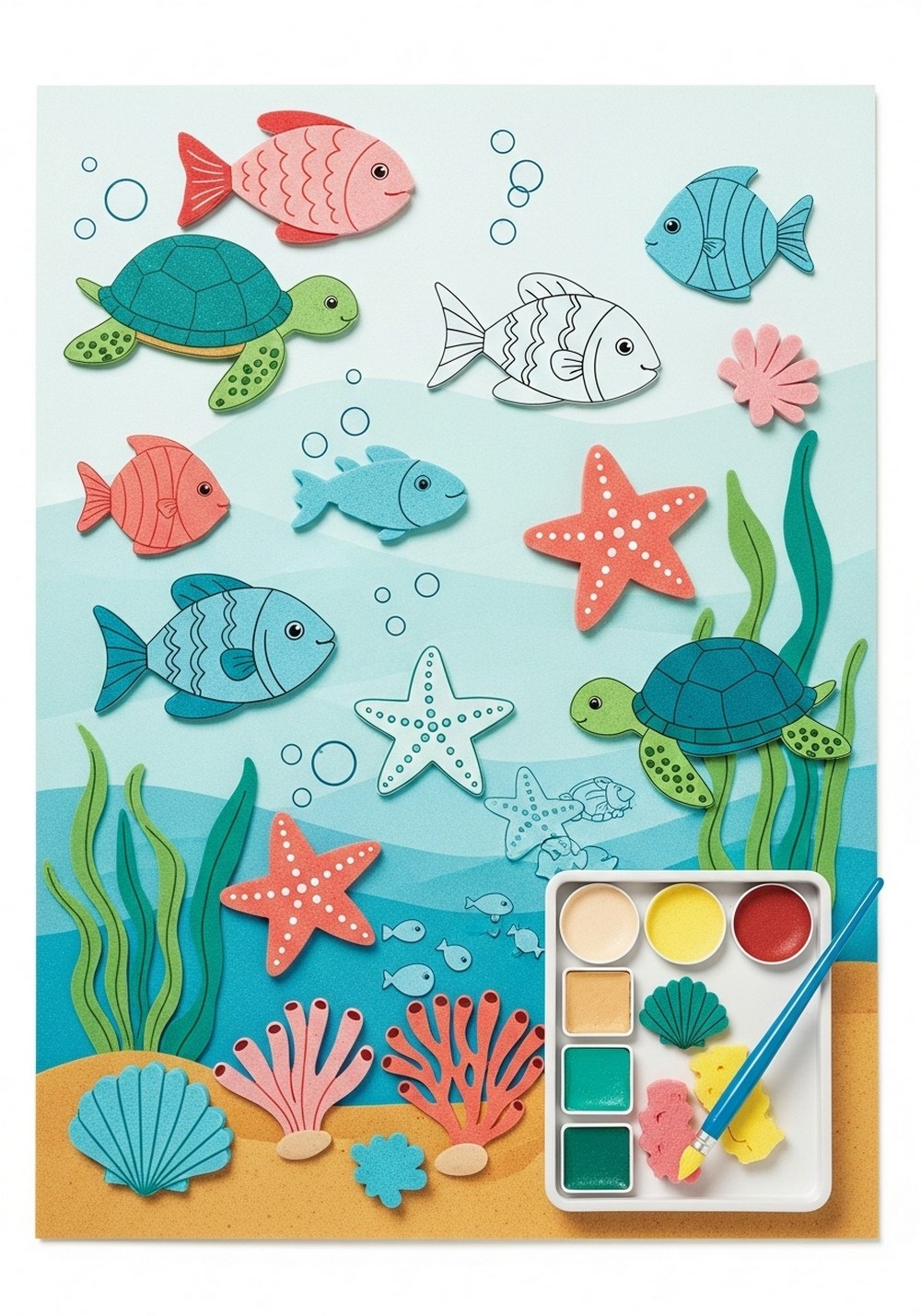
Cut sponges into simple shapes—fish ovals, starfish stars, seaweed strips. Dip into paint and press to create an underwater scene. Overlap lighter prints on darker ones for depth; add bubbles by stamping finger dots. When dry, outline with a thin brush to define fins and faces, or add glitter glue for sunny sparkle. Kids explore repeated shapes, texture, and composition while telling mini sea stories. Perfect for group projects: each child adds a creature to the shared reef.
Splatter Silhouette Fireworks
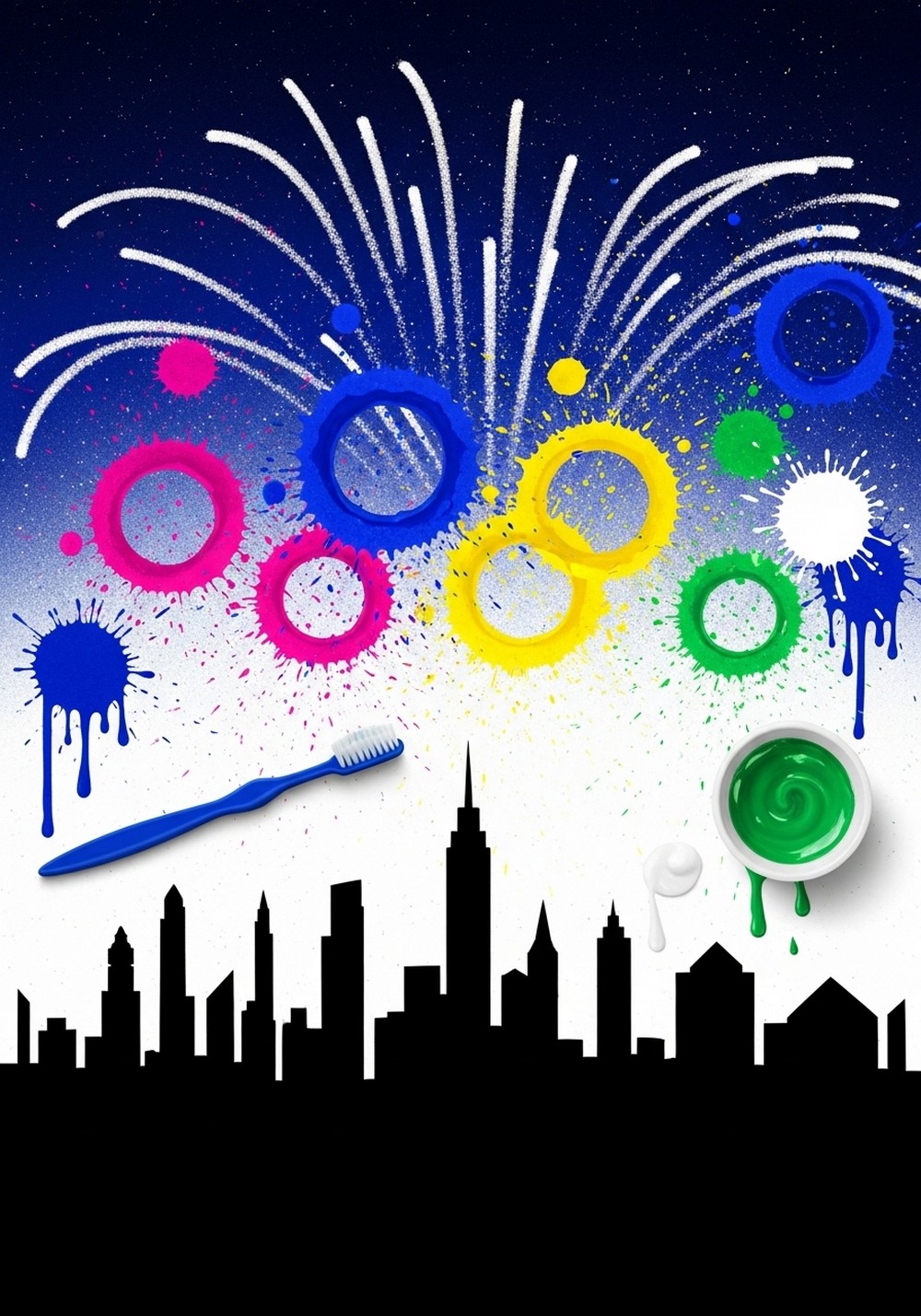
Cut a paper silhouette—city skyline, forest treeline, or dinosaur ridge—and tape it to the bottom of a page. Load a brush with thinned paint and flick splatters upward for fireworks. Layer colors while wet to bloom edges; add ring bursts by stamping cup rims. Peel the silhouette for a dramatic contrast band. Kids learn controlled mess, rhythm, and color layering. It’s high-energy, fast to set up, and delivers an instant “wow” reveal that feels like a celebration.
Bubble Paint Magic
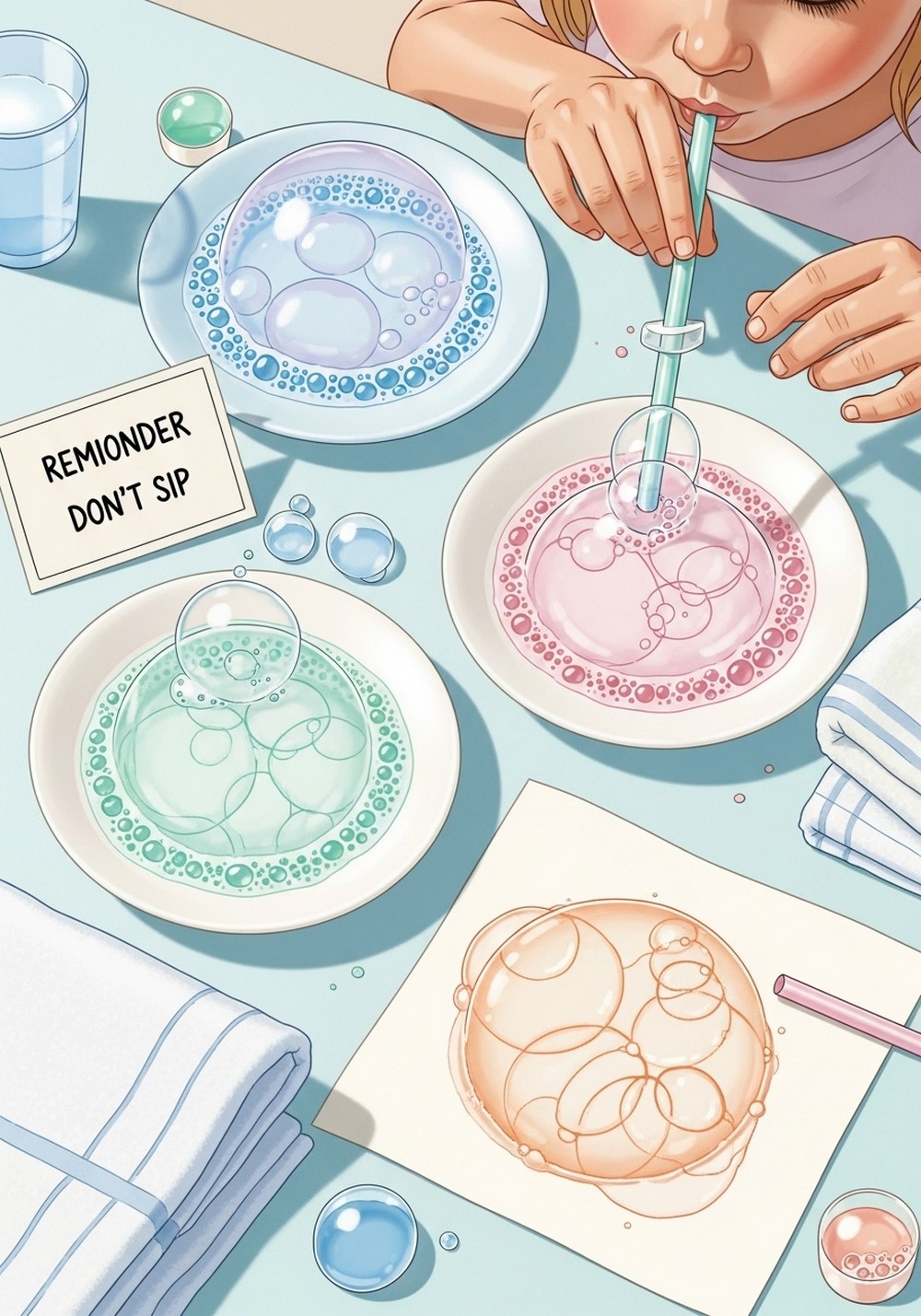
Stir a spoon of paint and a bit of dish soap into water cups. Blow through a straw to dome bubbles above the rim (teach gentle blowing, not sipping). Press paper onto the bubbles to capture airy prints. Repeat with different colors, overlapping circles for dreamy textures. Add doodled sea creatures or planets afterward. This project introduces surface tension, transparency, and layering. The soft, cloudy results look professional, and the process keeps kids calmly engaged and curious.
Nature-Brush Texture Painting
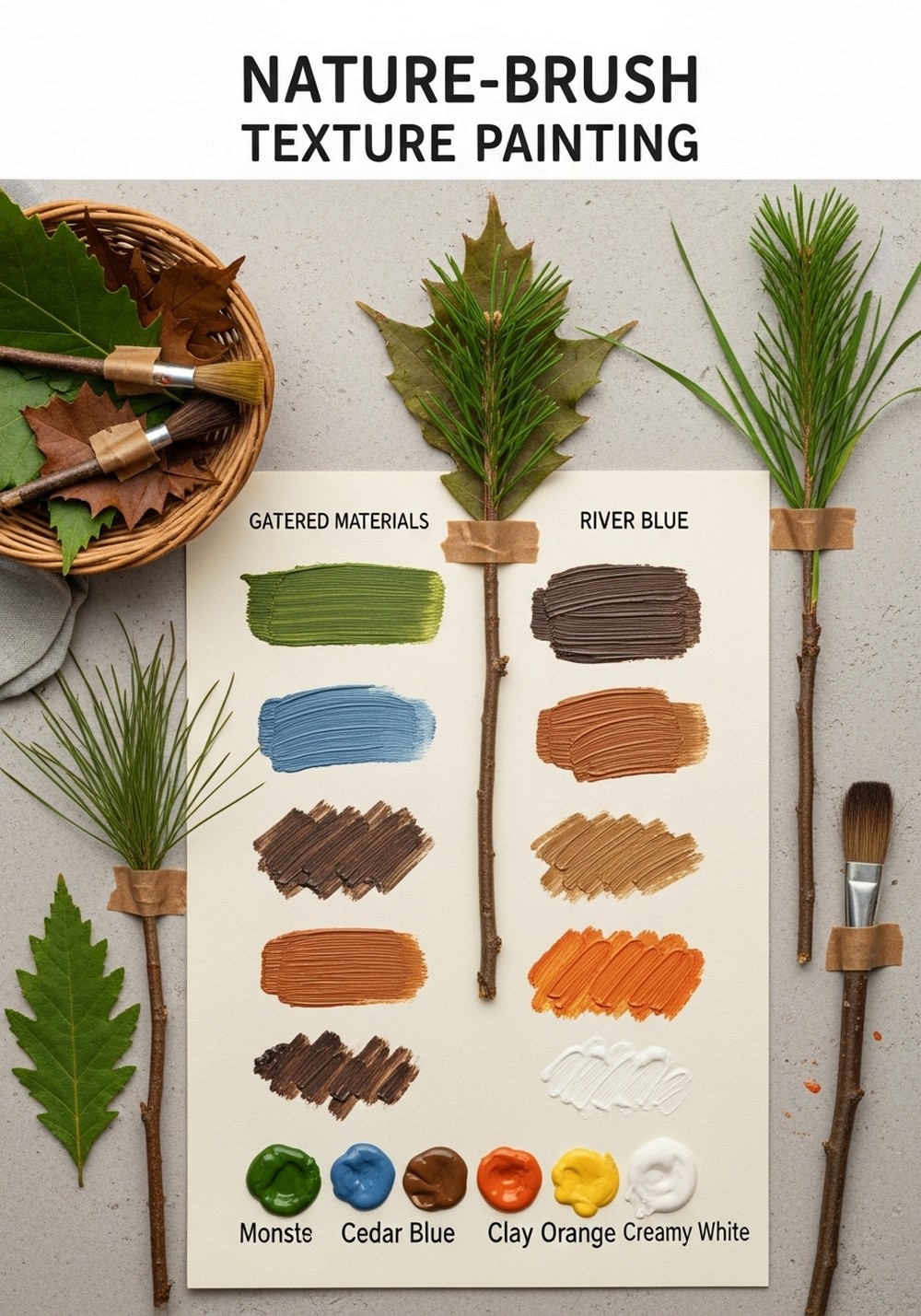
Make brushes from sticks, rubber-banded leaves, pine needles, or grass bundles. Dip in paint and drag across paper to test streaks, speckles, and feathered marks. Try a nature-palette scene—earth, leaf, sky—or go bold with neons. Invite kids to sort brushes by texture and label the marks they make. This teaches toolmaking, cause-and-effect, and texture vocabulary. It’s a sensory-rich way to connect outdoor treasures with indoor creativity and turns experiments into display-worthy abstracts.
Squeegee Rainbow Abstracts
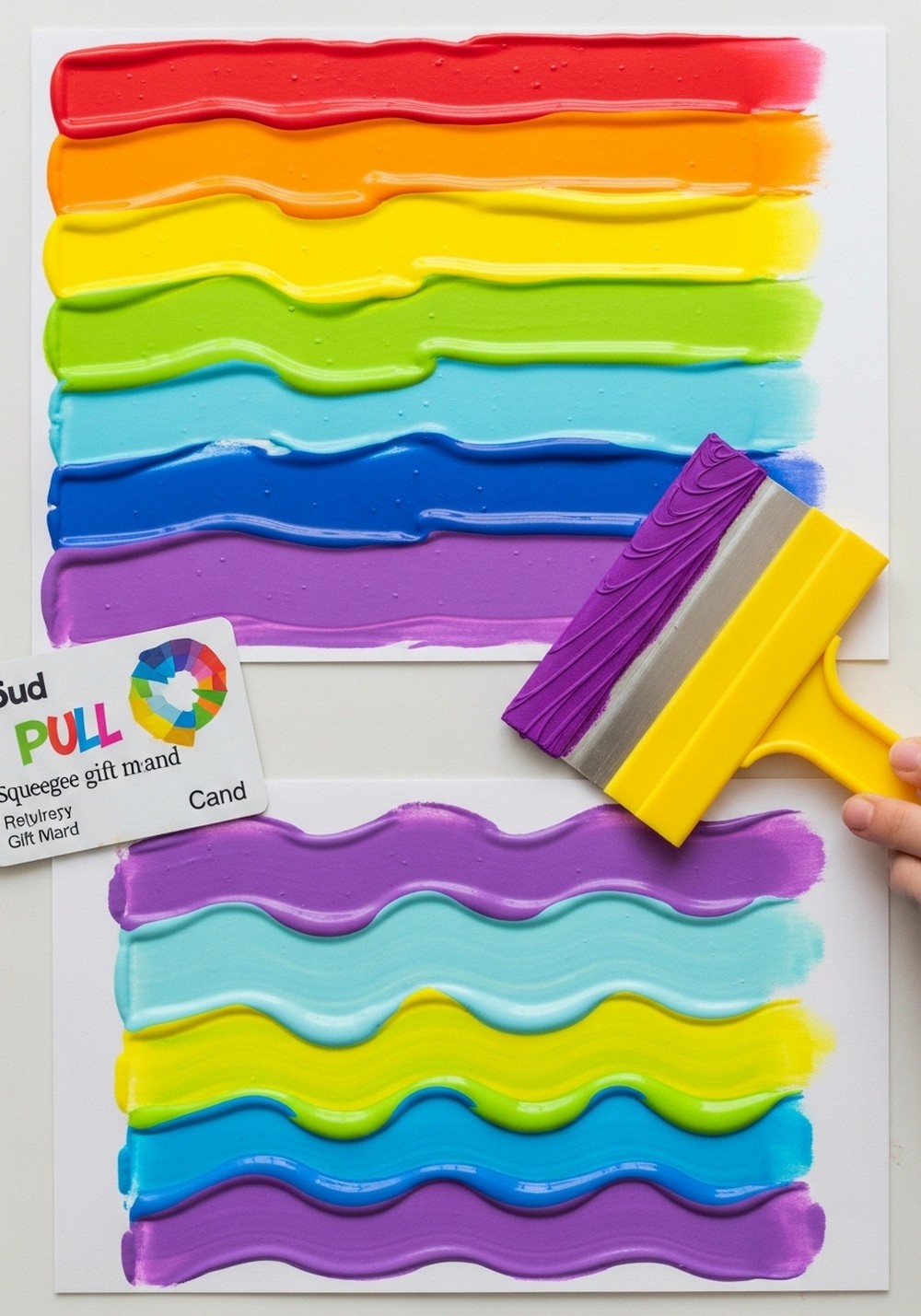
Squeeze lines of paint near the top of a page. Pull a plastic squeegee or an old gift card downward in one smooth motion to blend colors into silky stripes. Angle the tool for zigzags or pull in short bursts to stack layers. Add a second pass with a new color for surprise mixes. Kids practice pressure control, direction, and restraint—one swipe can be enough. The glossy blends look like pro prints and dry into bold, modern mini-masterpieces.
Straw-Blown Monster Shapes
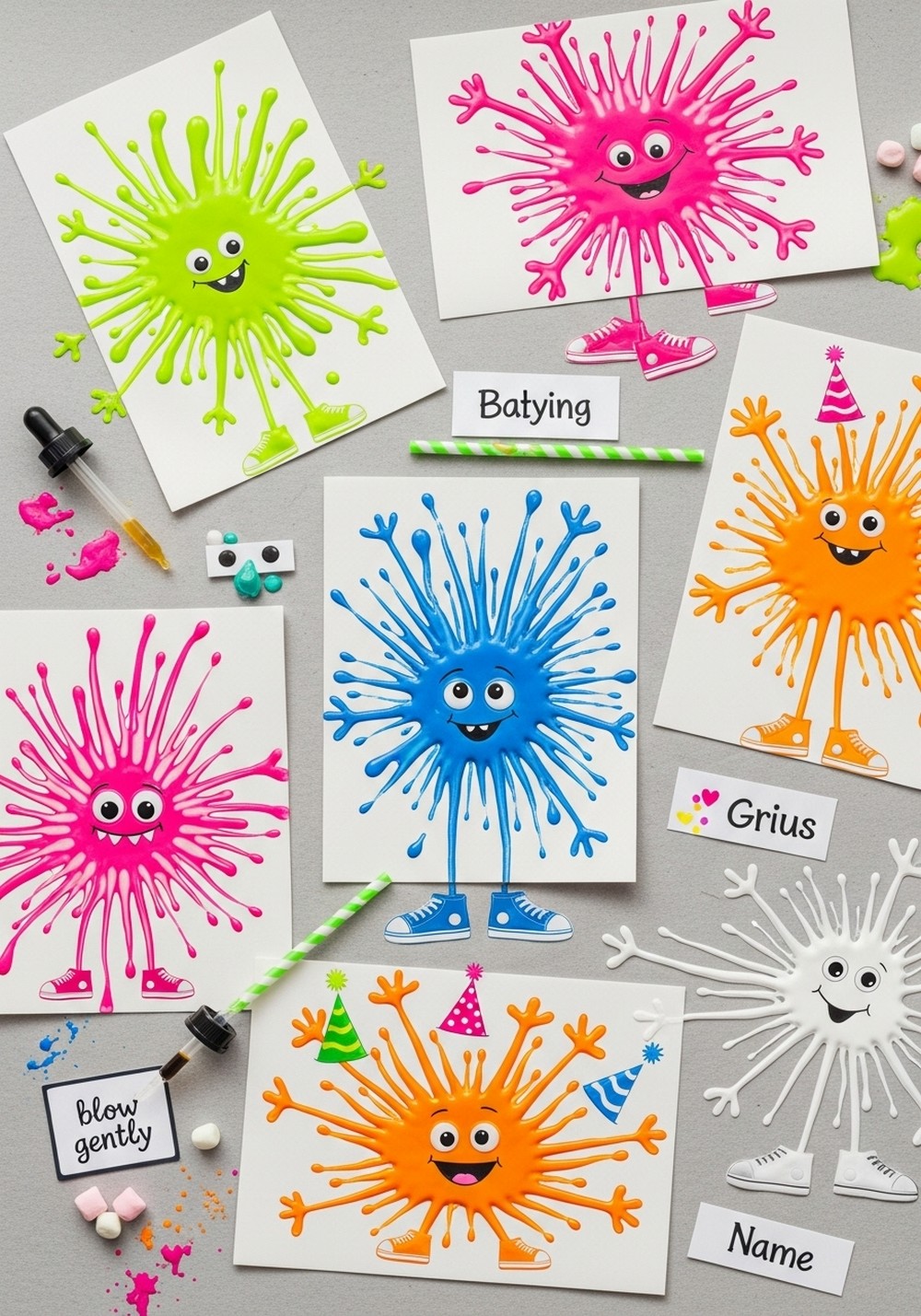
Drop small puddles of thinned paint, then use straws to blow the paint outward, forming spiky bodies and wiggly arms. Rotate the paper and add more puffs for hair and tails. When dry, paint or draw eyes, teeth, sneakers, and silly hats. Name each creature and write a one-line power. This teaches airflow control, cause-and-effect, and improvisation. Every monster turns out delightfully different, encouraging laughter and low-pressure experimentation with shape and personality.
Cardboard Stamp Patterns
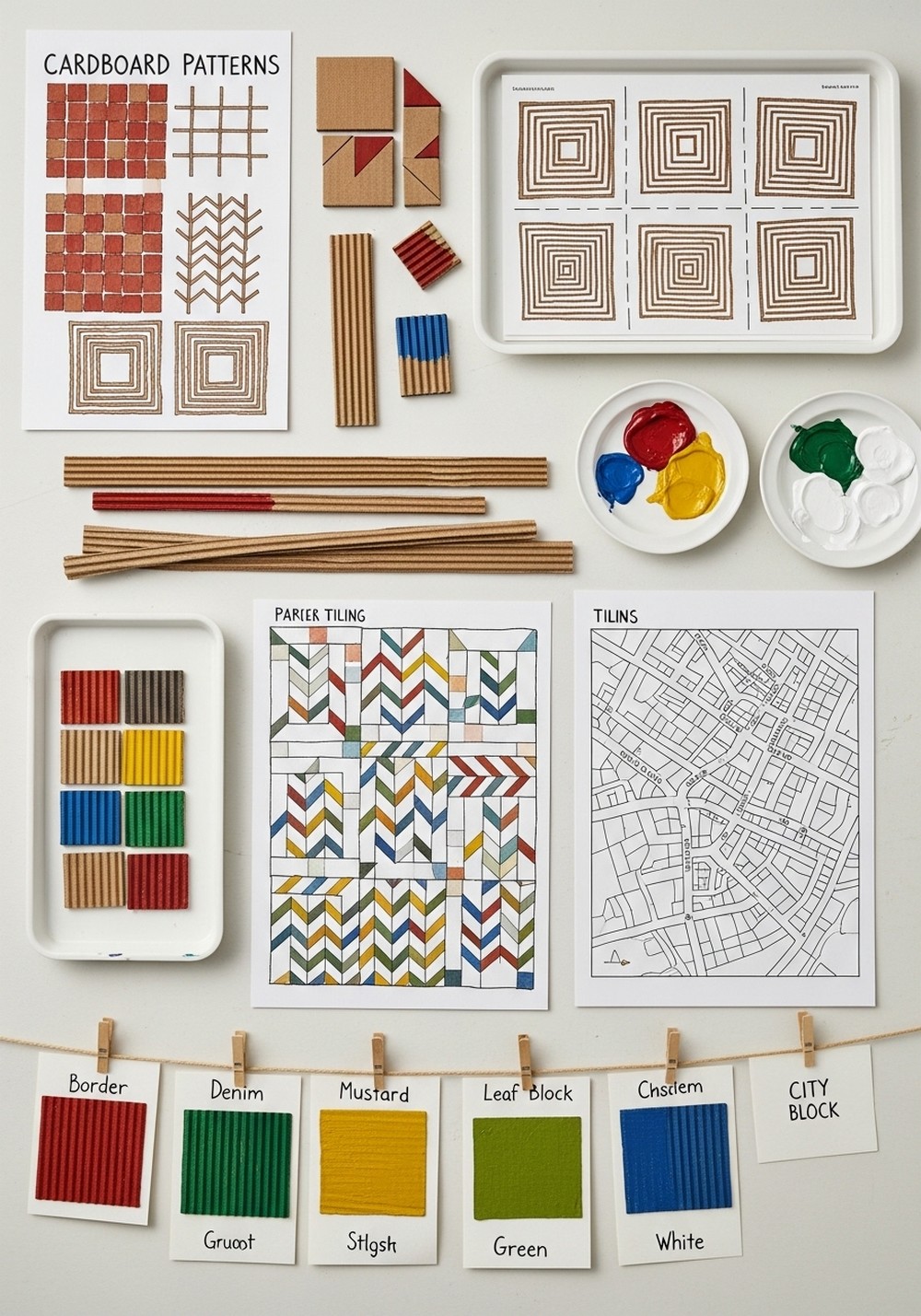
Cut corrugated cardboard into squares, strips, and circles. Dip edges in paint and stamp lines, grids, and spirals; flip to use textured faces for brick or bark patterns. Challenge kids to build borders, quilts, or city blocks using only stamps. Limit colors to explore rhythm, then add one contrasting accent for pop. This develops repetition, spacing, and design planning. Turn finished sheets into book covers, cards, or collage paper for future projects—handmade pattern libraries kids can revisit.
Q-Tip Pointillism Tree
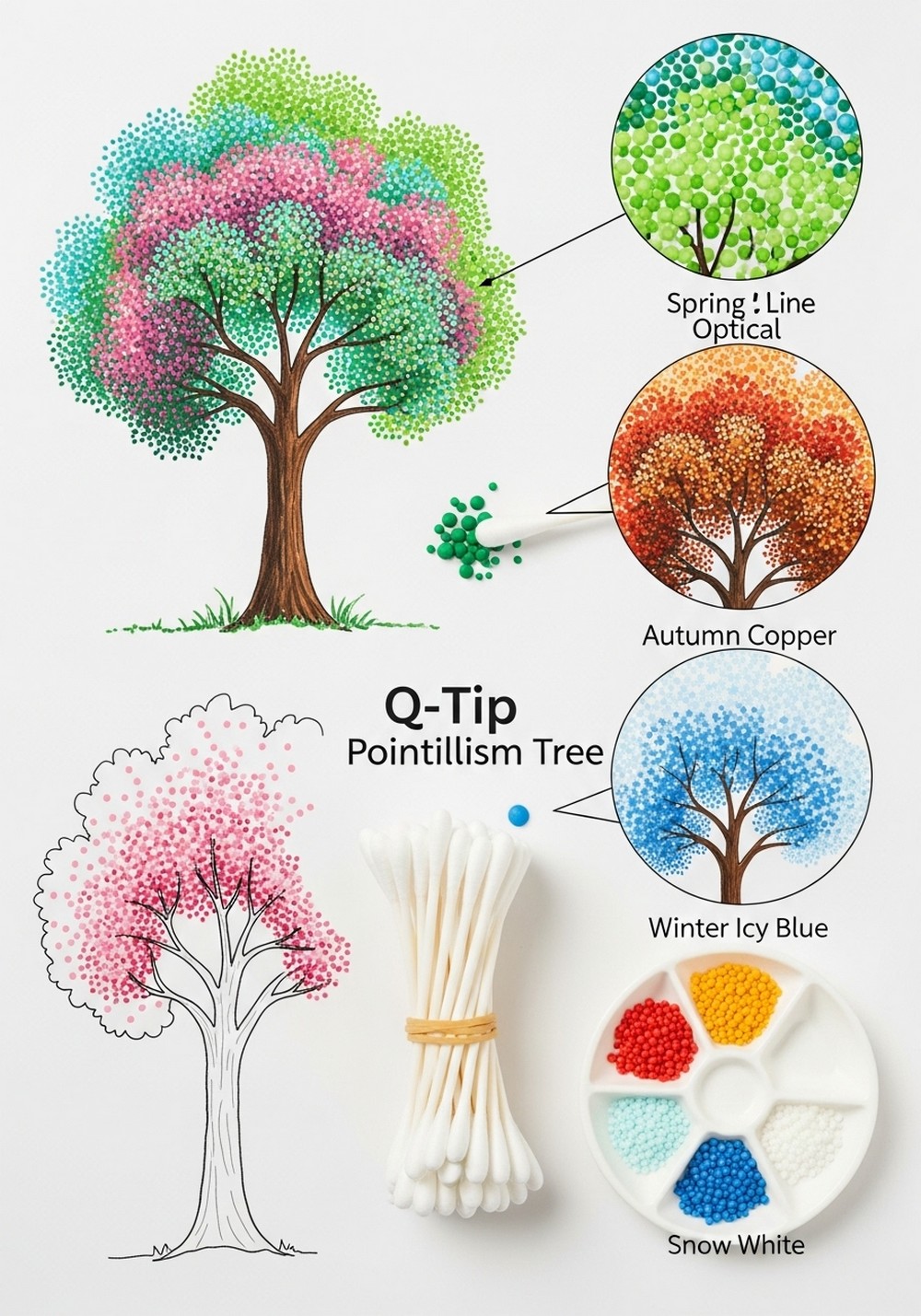
Sketch a simple trunk, then dot leaves with cotton swabs—clusters close to branches, scattered dots floating like petals. Try seasonal palettes: spring brights, deep summer greens, blazing autumn oranges, snowy blue-white. Layer dots for depth and let colors touch to blend optically. Add tiny birds or a swing for story charm. This calm, rhythmic technique strengthens fine motor control and patience while introducing pointillism and color mixing in a low-stress, meditative format.
Folded Ink Symmetry Prints
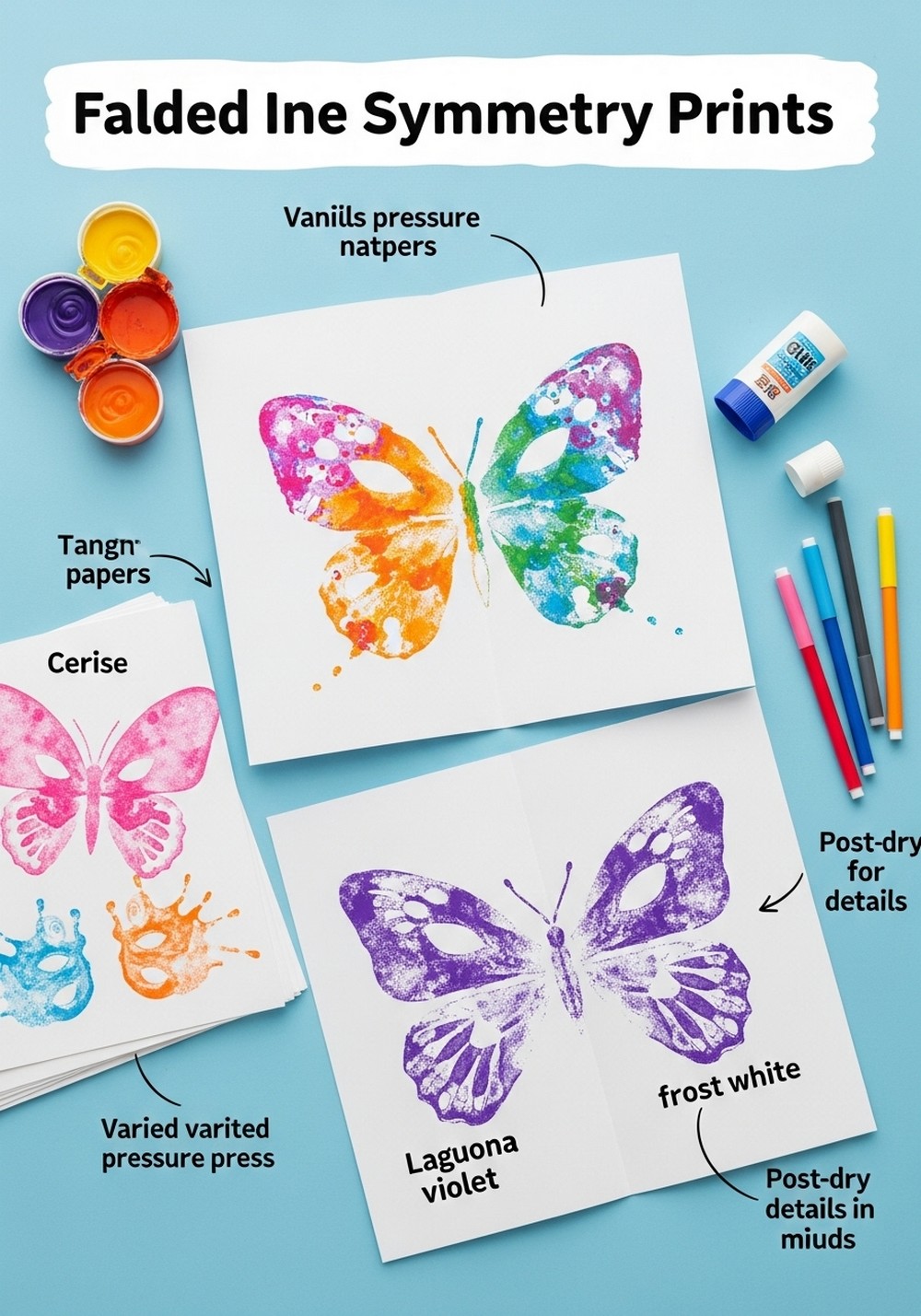
Blob paint or ink on one half of a paper, fold, press, and open to reveal mirrored butterflies, masks, or abstract creatures. Add eyes and patterns with markers after it dries. Encourage kids to guess outcomes before the reveal, then compare results. This teaches symmetry, pressure, and the joy of chance. Use just a few colors to avoid mud and celebrate unexpected blends. Great for quick sessions and instant, display-ready art with zero drawing stress.
Marble Roll Color Trails
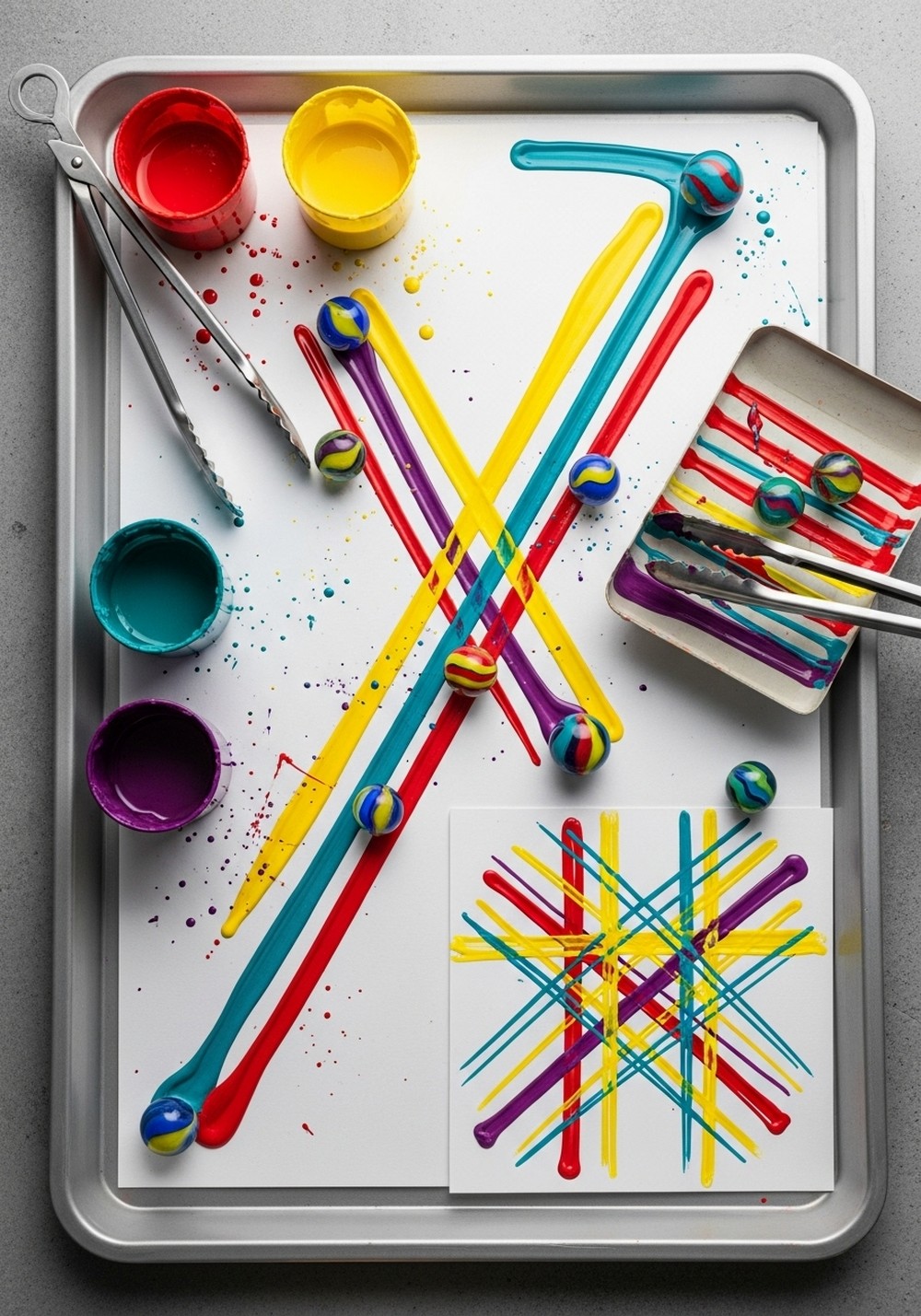
Tape paper inside a shallow tray. Drop marbles into small paint pools, then tilt and roll to draw crisscross lines. Swap marble colors for layered paths; pause to study intersections and thickness changes. Remove the paper for drying and frame or cut shapes from the abstract sheet. This energetic make explores motion, viscosity, and line quality—ideal for kinesthetic learners. Cleanup stays contained, and every reveal feels like a mini science-art surprise.
Coffee Filter Tie-Dye
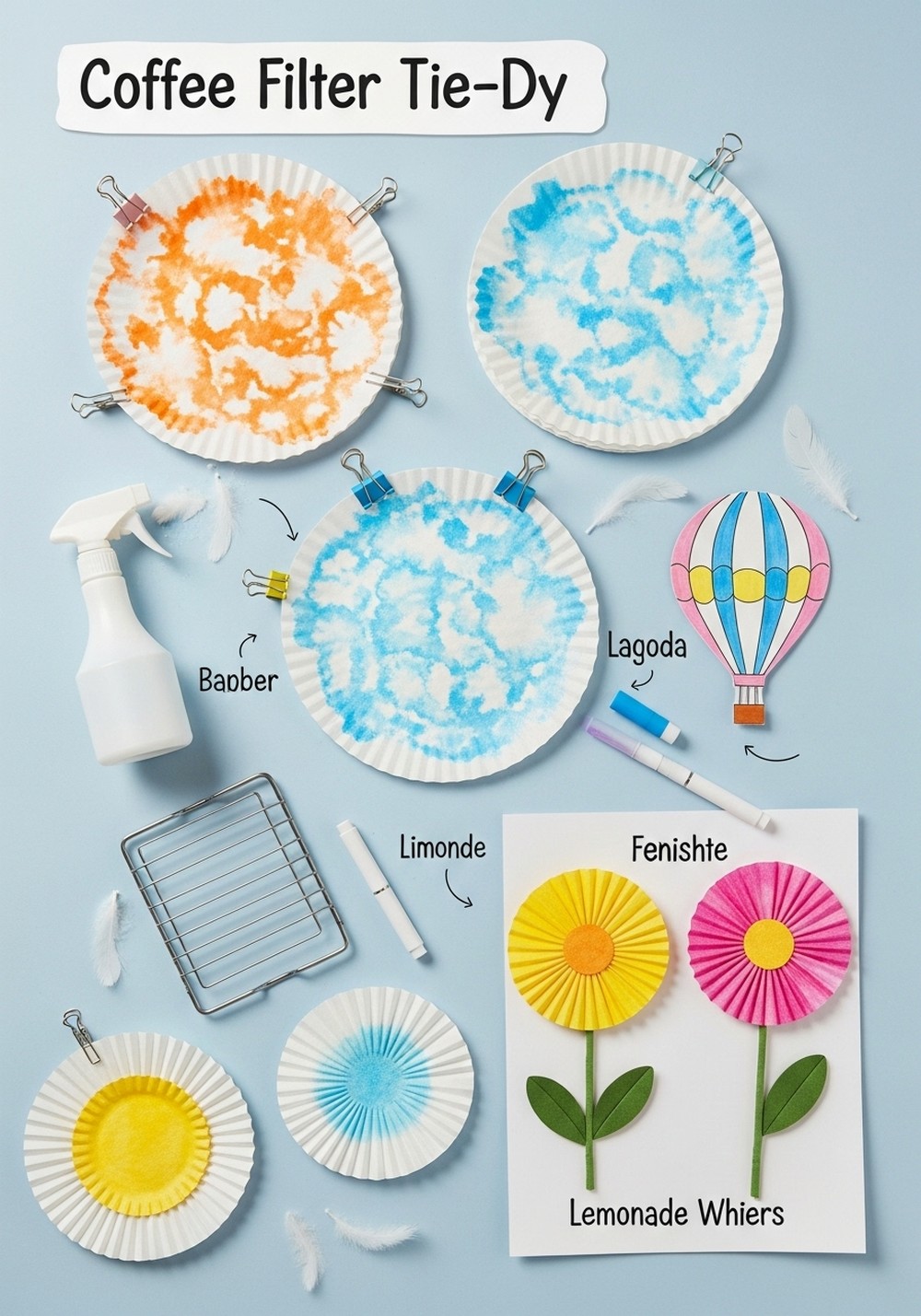
Flatten coffee filters and color with washable markers. Mist lightly with water to let hues bloom into soft clouds. Once dry, glue onto paper and paint simple scenes around them—hot air balloons, suns, or flowers. Discuss symmetry and diffusion as colors spread. This project is quick, magical, and forgiving, perfect for big groups or calm corners. The gentle blends turn even simple shapes into dreamy, high-impact art that begs to be hung in sunny windows.
Salt-Textured Watercolor Lines
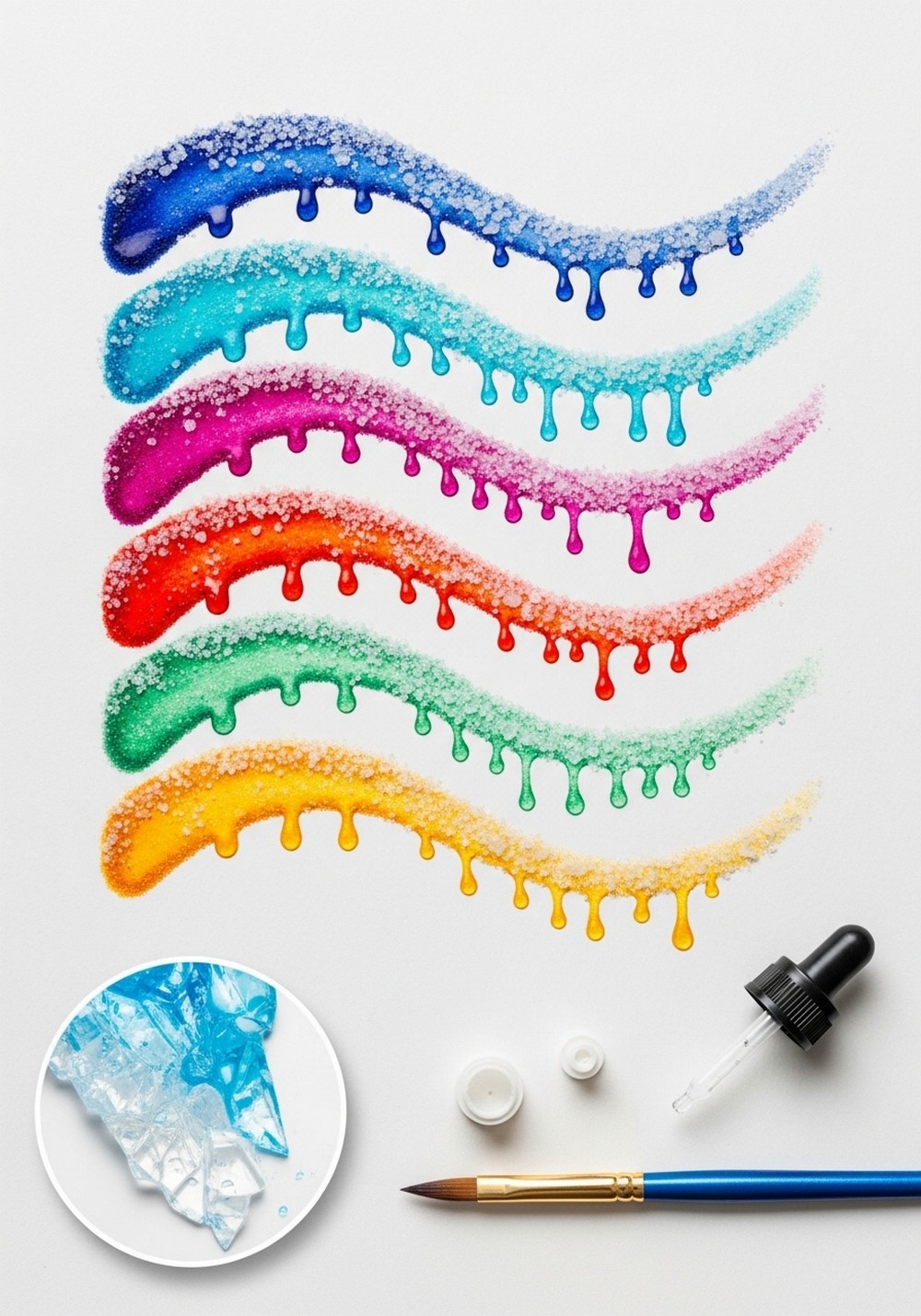
Draw bold glue lines on sturdy paper, sprinkle salt to coat, and shake off extra. Touch watercolor droplets to the salty ridges and watch color sprint along crystalline paths. Blend two hues to create gradients and starbursts. Keep the page flat to protect textures as they dry. Kids learn capillary action, patience, and gentle brush control, transforming simple outlines into shimmering, tactile pathways that feel like magic maps from a storybook.
Handprint Animal Portraits
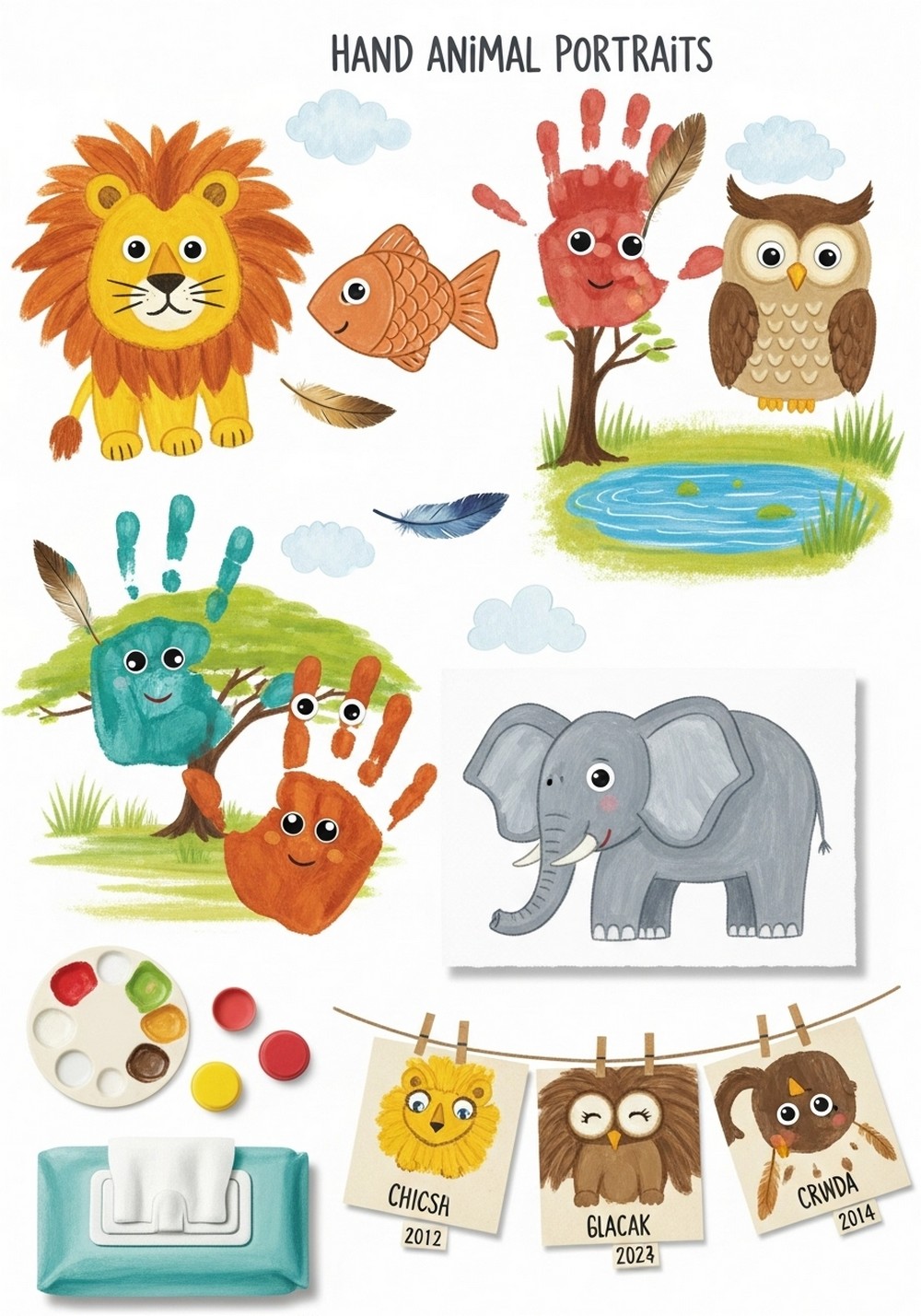
Brush washable paint onto hands and press to paper for body shapes—lions, fish, owls, elephants. When dry, add faces, fur, scales, or feathers with paint pens and markers. Encourage habitat hints: grass, waves, branches. Kids love the personal scale of their own hands becoming characters. The project builds observation, shape recognition, and mixed-media confidence, resulting in keepsakes that double as gifts and memory markers of growing hands.
Foil-Shine Paint Panels
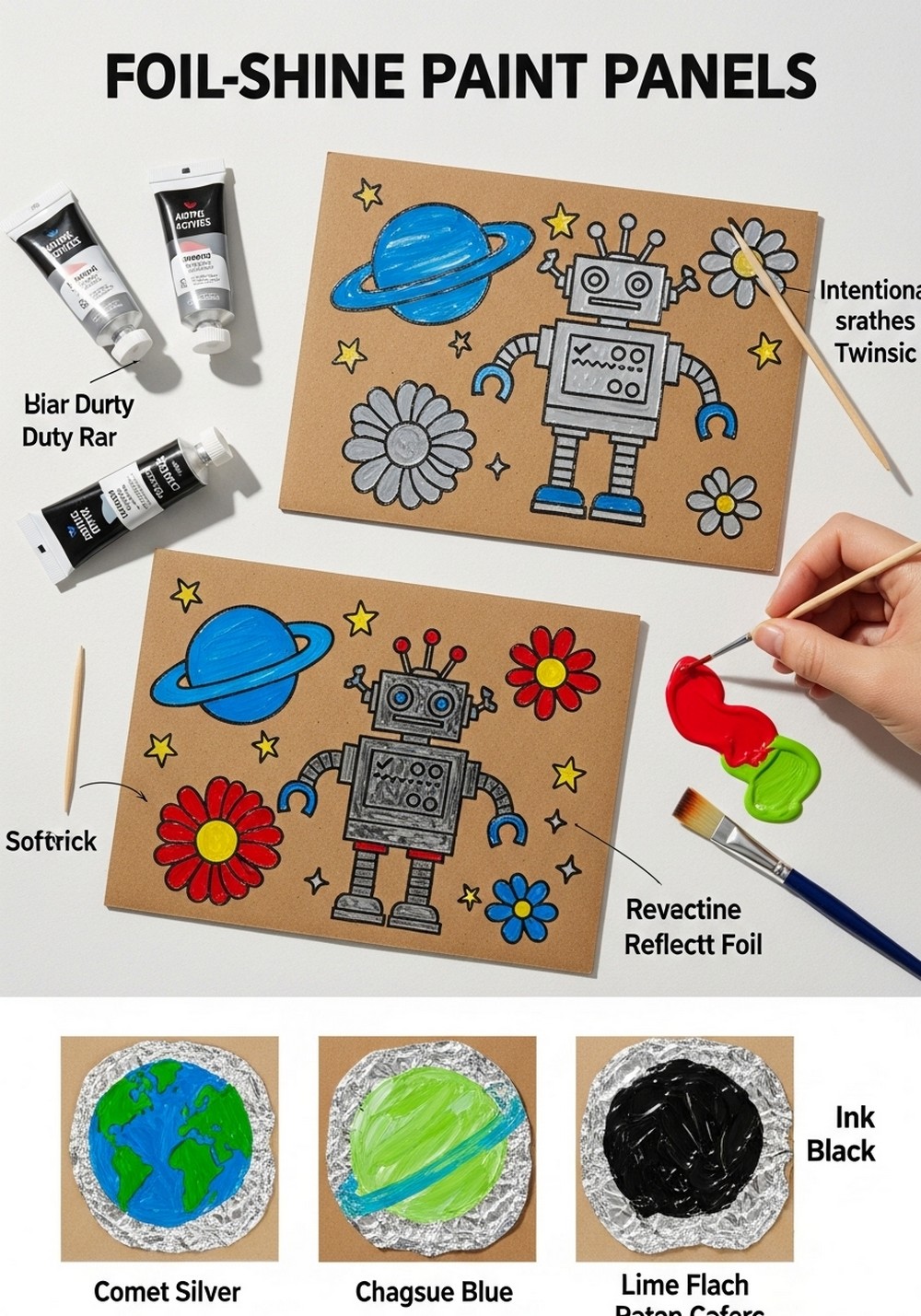
Tape heavy-duty foil to cardboard for a firm surface. Paint simple designs with acrylics—planets, robots, flowers—leaving glimpses of shiny metal. Scratch fine lines with a dull toothpick for twinkle effects. The reflective foil makes colors glow, teaching contrast and restraint: less paint can reveal more shine. Kids explore tool pressure, reflective surfaces, and high/low value. Finished panels look gallery-ready with zero complicated steps.
Rock Critter Painting
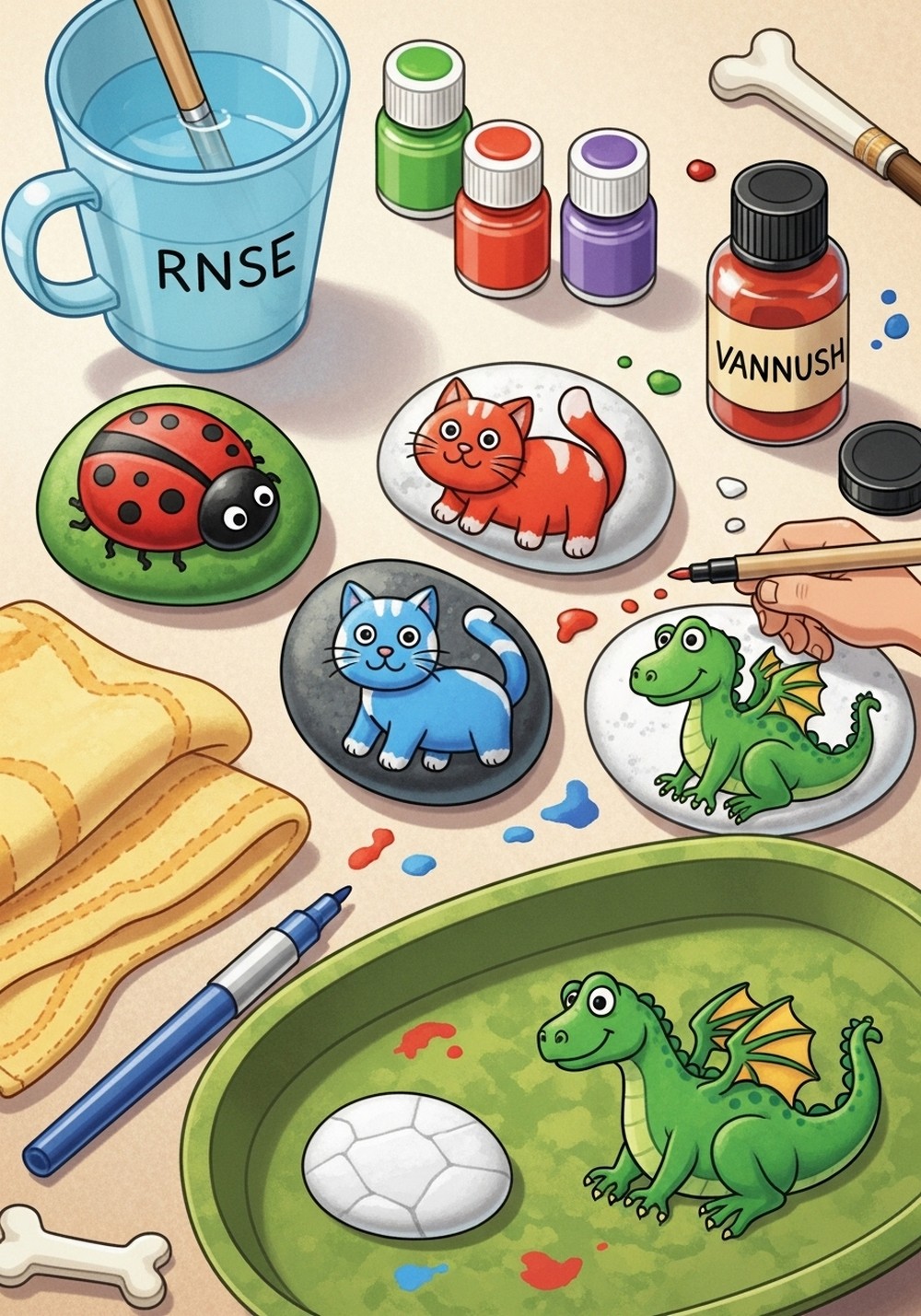
Wash and dry smooth rocks. Paint base colors, then layer faces, scales, or fur patterns. Add tiny highlights and outlines with paint pens for crisp details, and seal with kid-safe varnish if desired. Turn critters into story starters, garden guardians, or math counters. This tactile project builds control on curved surfaces, planning sequences (base first, details later), and creative character design—all with humble, pocketable canvases.
Ice Cube Color Slides
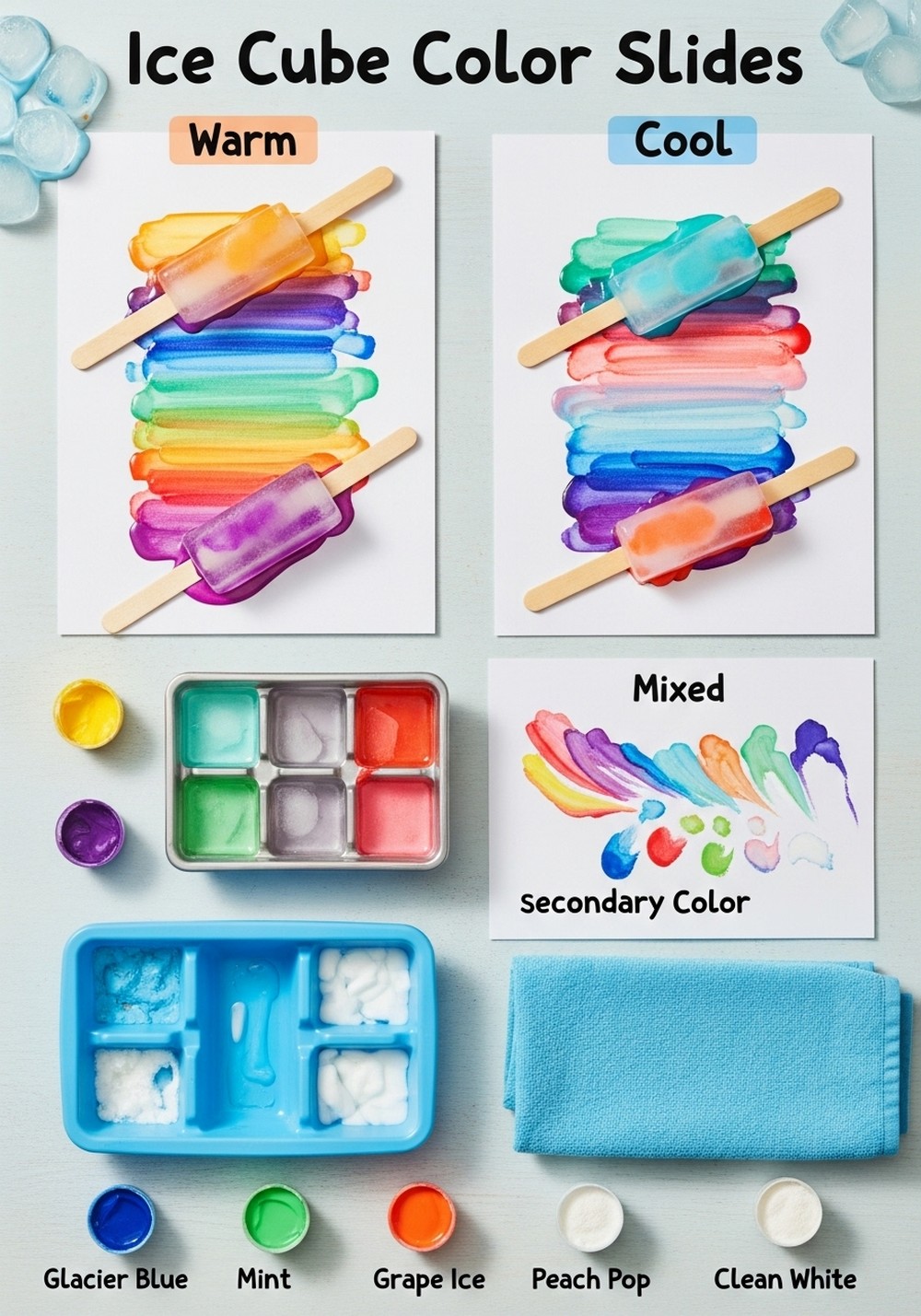
Freeze diluted tempera or watercolor in an ice tray with craft-stick handles. Glide melting cubes across paper to make translucent streaks and blends. Compare warm versus cool palettes and watch colors overlap into new shades. The time-based medium teaches pacing and pressure—push for bold lines, pause for puddle blooms. It’s sensory-rich, low-prep, and perfect for hot days or science tie-ins about states of matter and melting rates.
Spin Art Bursts
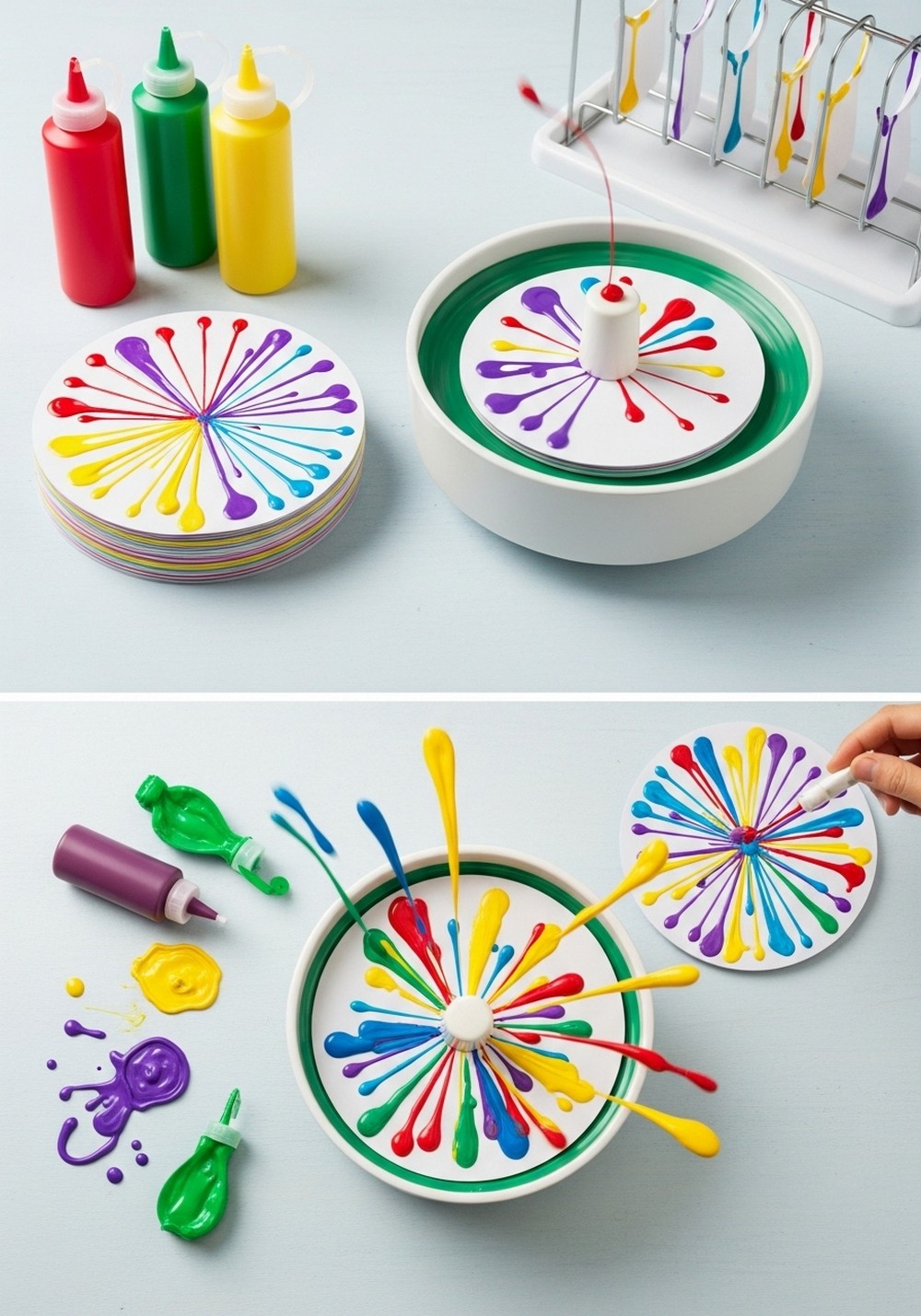
Place paper circles inside a salad spinner. Drop paint near the center and spin to fling colors outward into starbursts. Layer a second spin with a new color and compare spoke patterns. Kids learn radial symmetry, centrifugal motion, and color contrast with thrilling, instant results. Dry pieces become badges, cards, or mobiles. It’s a favorite for parties and stations because each “spin” feels like opening a surprise.
Sunset Silhouette Scenes
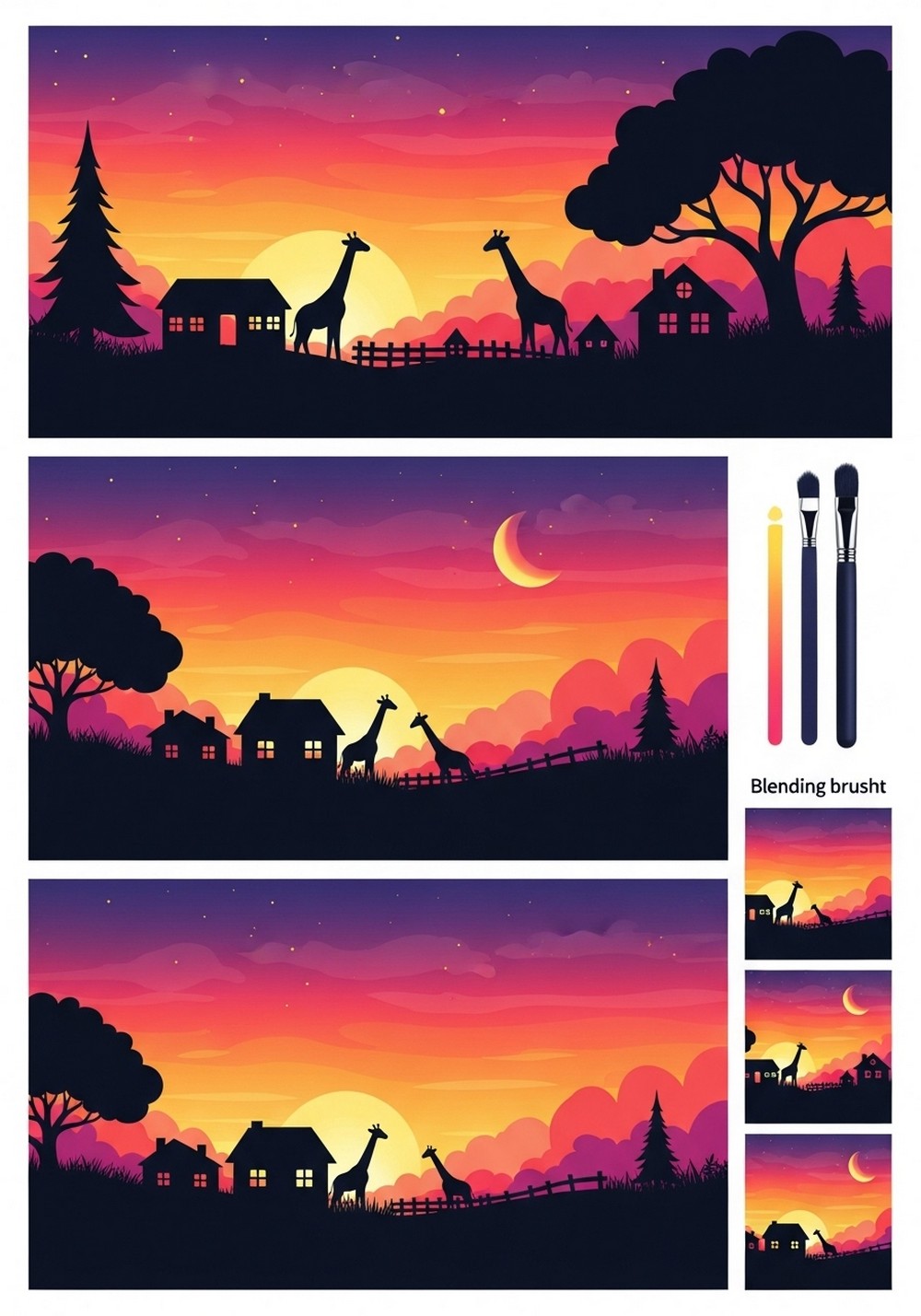
Brush a smooth gradient—yellow to orange to magenta to deep violet—across the sky. Once dry, paint or glue black paper silhouettes: trees, giraffes, houses, or city skylines. Add a moon or stars with white paint. This simple combo of soft background and sharp foreground teaches value contrast, blending, and composition. Kids gain big visual payoff with manageable steps, creating dramatic scenes that feel cinematic and serene.
Leaf-Print Negative Space
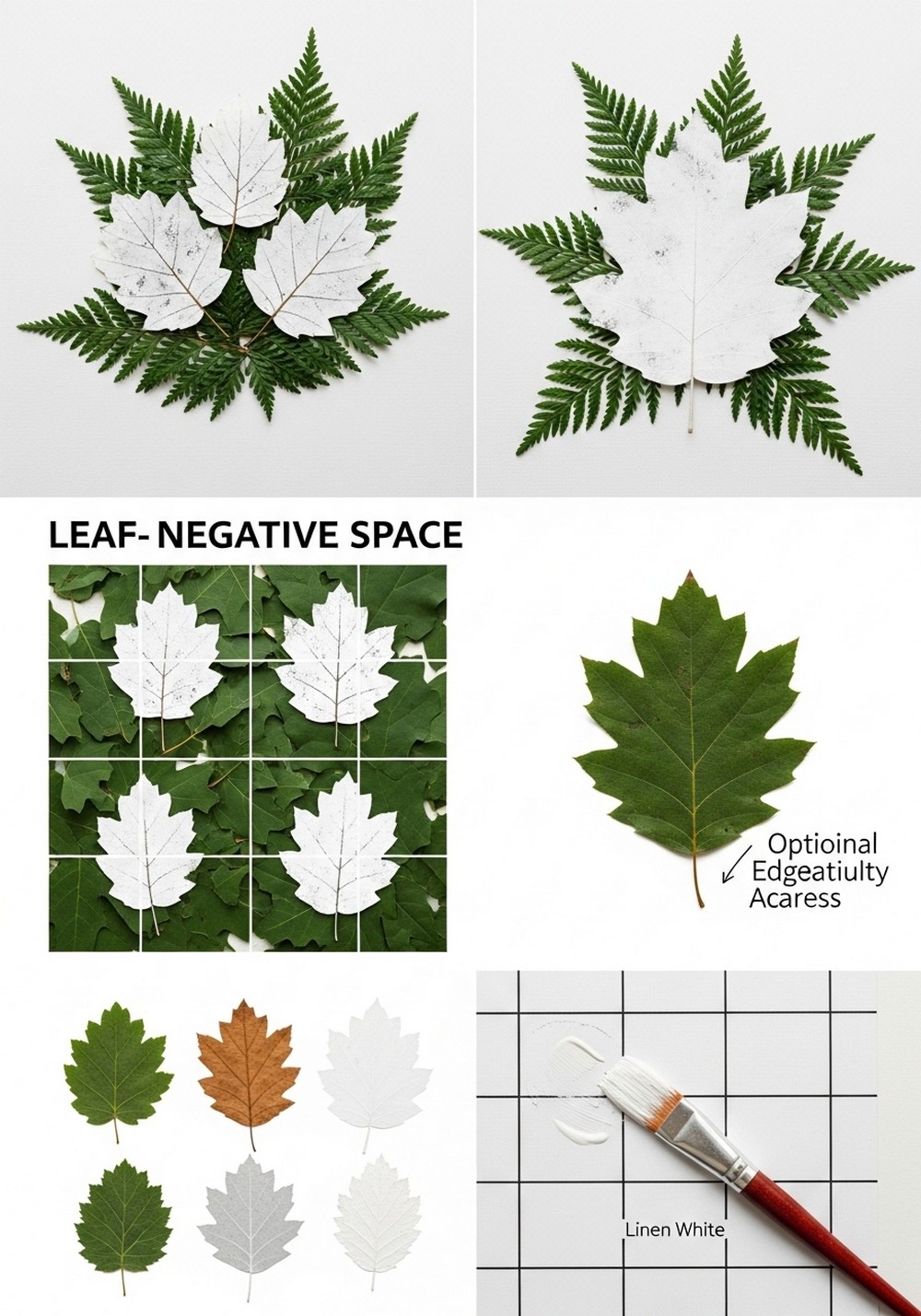
Arrange real leaves on paper and lightly tape or hold them in place. Brush paint outward from leaf edges, then lift to reveal crisp white silhouettes. Add veins with a thin brush or keep them clean and graphic. Try seasonal palettes and cluster shapes for patterns. This builds awareness of edges, shape recognition, and the design power of empty space. Results look modern and frame-ready with minimal effort.
Shaving Cream Paper Marbling
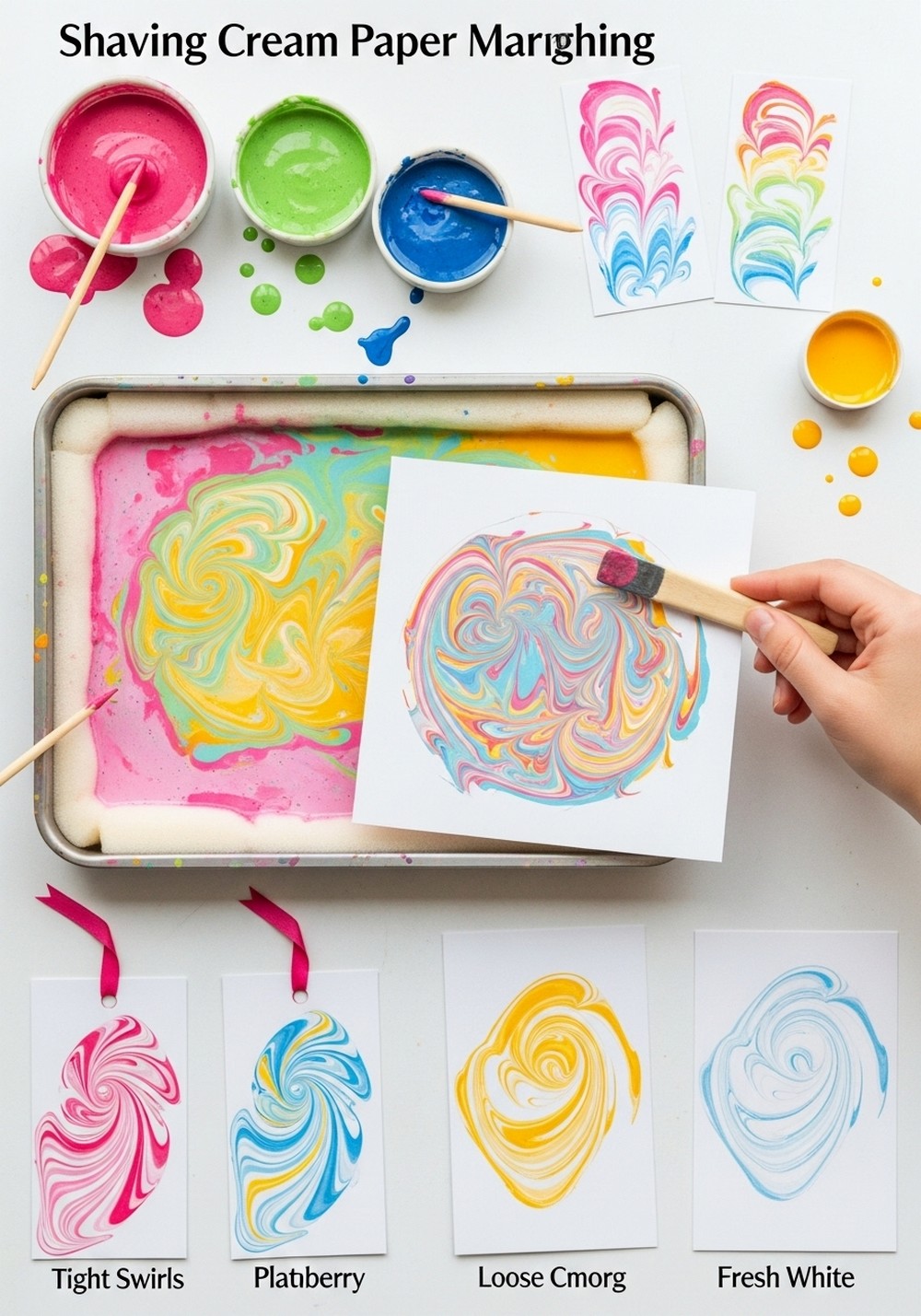
Spread shaving cream in a tray, drip liquid watercolor or thinned paint on top, and swirl gently with a stick. Press paper onto the surface, lift, and scrape off foam to reveal swirled marbles. Kids compare tight versus loose swirls and learn about viscosity and diffusion. Each pull is a unique surprise, perfect for bookmarks, cards, or collage backgrounds. Low-stress, high-reward, and smells nice—win, win, win.
Veggie Stamp Picnic Prints
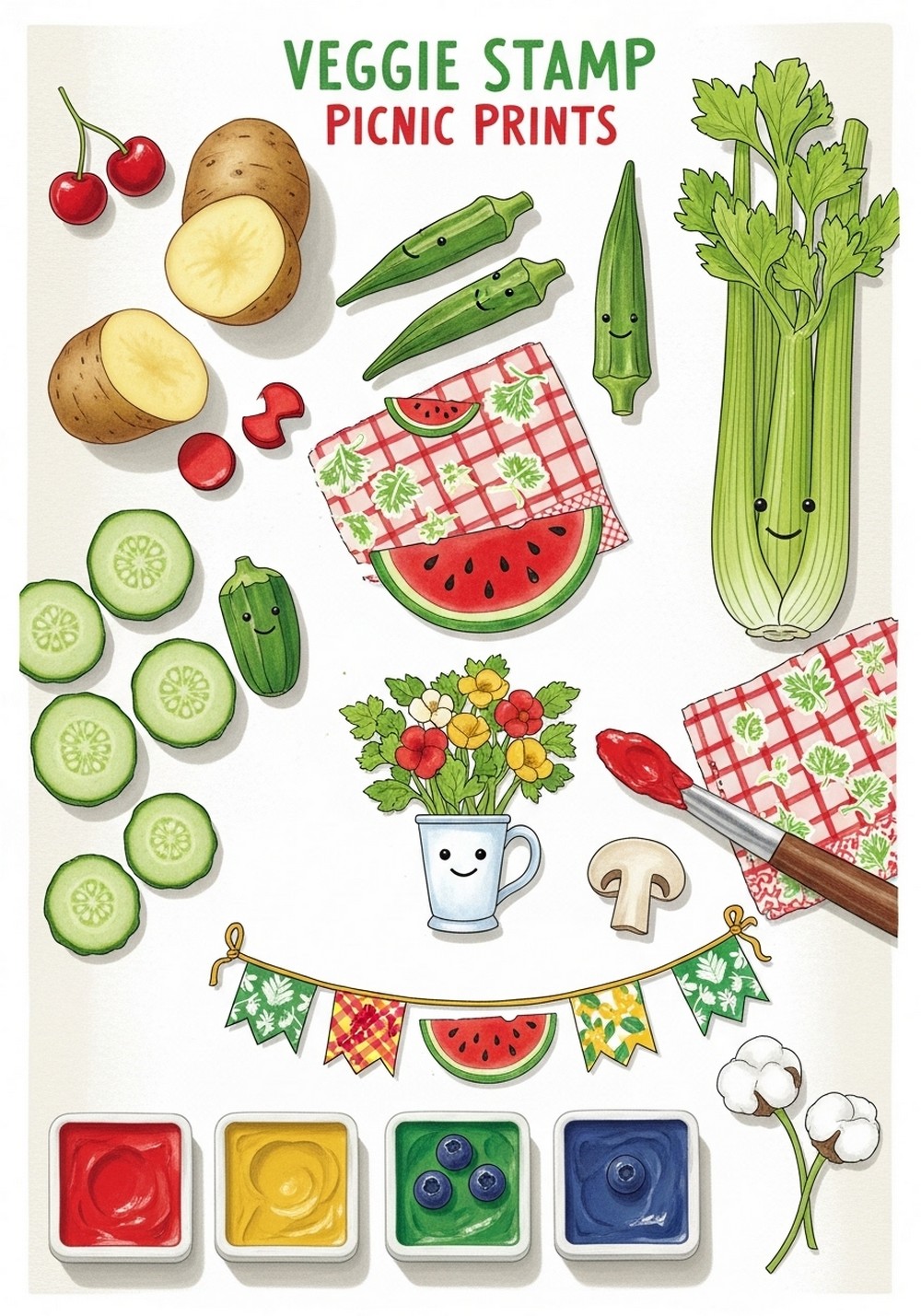
Slice potatoes, okra, celery, and mushrooms for easy stamps. Dip into paint and press on paper to build picnic scenes—watermelon slices, flower bouquets, or patterned tablecloths. Add details with brushes or markers. Kids explore symmetry, repetition, and found shapes from everyday foods. It’s a playful way to talk about plants and textures while making cheerful, graphic art that’s ideal for decorating party banners or recipe cards.
Dandelion Puff Dot Painting
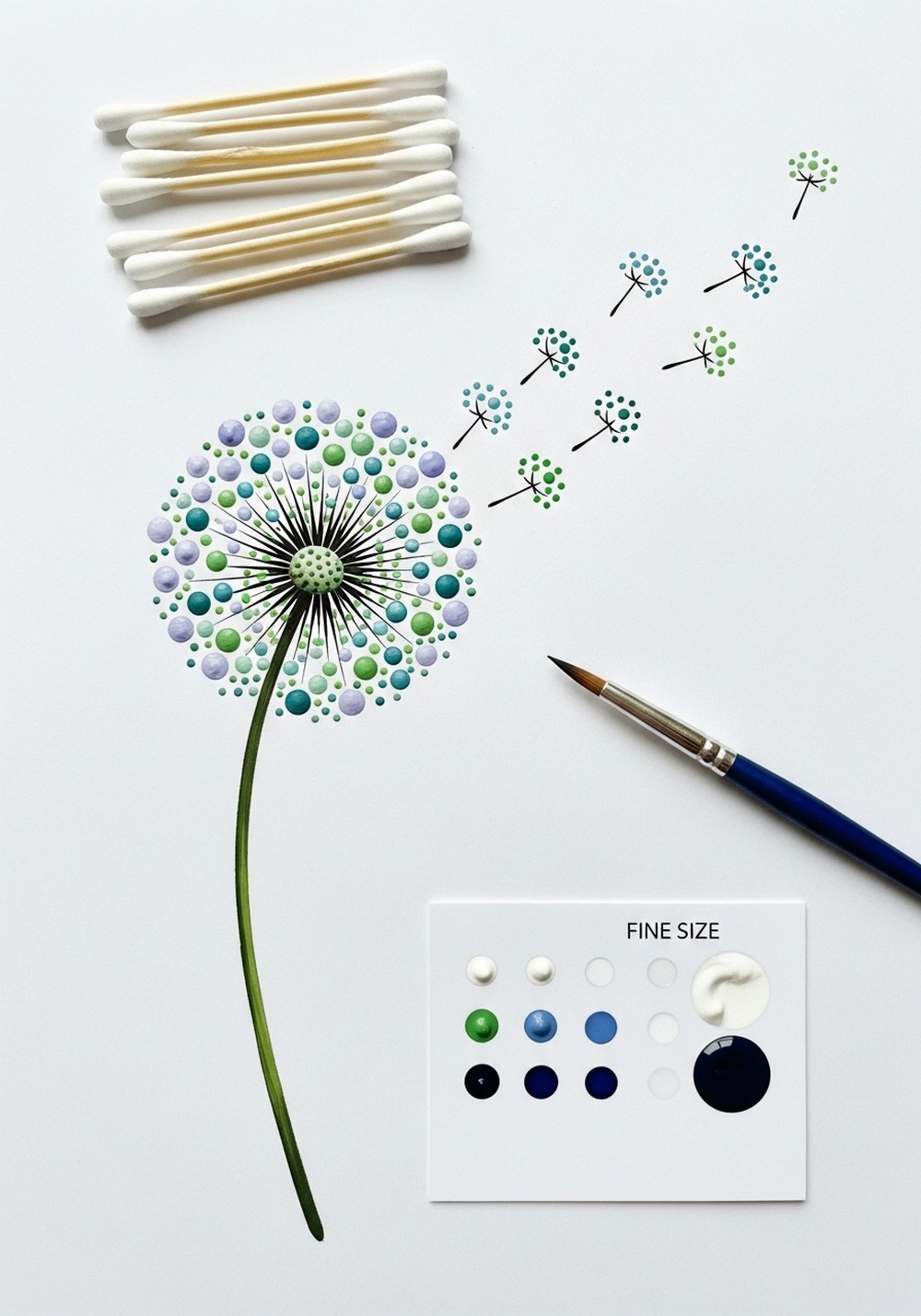
Paint a thin stem and a small circle center. Use Q-tips or the ends of brushes to dot fluffy seeds bursting outward in a soft sphere. Vary dot sizes for depth and add a few drifting seeds for movement. Try night skies with moonlight highlights or bright daytime pastels. This quiet, focused project develops spacing, pressure control, and gentle layering, producing elegant results that look grown-up yet remain delightfully simple to make.
Conclusion
Painting becomes easy when steps are playful, materials are simple, and outcomes feel open-ended. These 25 easy painting ideas for kids invite color mixing, texture play, pattern building, and storytelling without pressure. Mix fast, low-mess options—tape-resist, fingerprint meadows, straw monsters—with deeper dives like marbling, spin art, and foil shine. Let kids title their work, add dates, and share the stories behind each piece. Celebrate process over perfection, keep cleanup friendly, and watch creativity bloom, one bright brushstroke at a time.


